Hey there, fellow game day crew and event organizers! Let’s cut to the chase: if you’ve ever set foot in a sports stadium, concert venue, or even a big college tailgate, you’ve probably heard the rule no glass. But here’s the thing I get asked like, every other week as a Stadium Cups supplier: “Do all stadiums actually ban glass and use Stadium Cups?” Spoiler: it’s not a one-size-fits-all answer, but let’s break this down like we’re prepping for a playoff game—no boring jargon, just real, on-the-ground facts. Stadium Cups
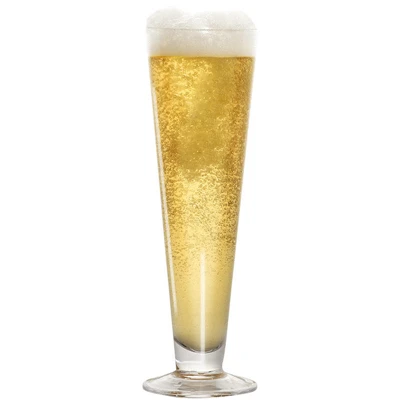
First, let’s talk about why glass is the bad guy in most high-traffic venues. I’ve worked with enough stadium ops teams to know their biggest nightmares: broken shards on concrete, someone slipping and getting carried out on a stretcher, or a $100,000 lawsuit over a preventable injury. Back in 2019, a minor league baseball park in Ohio had to delay a game for 20 minutes because a glass beer cup slipped out of a fan’s hand and sliced another guy’s arm open mid-inning. That’s the kind of chaos venues want to avoid, so most top-tier pro stadiums (NFL, MLB, NBA, Premier League) have hard, written glass bans. But wait—some smaller venues? They might have a “glass is allowed only in specific areas” rule, not a total ban.
Now, Stadium Cups (that’s our big thing, obviously, but let’s be real—they’re not just red plastic cups, they’re insulated, spill-proof, BPA-free workhorses) are the go-to replacement, but again, not every stadium uses them. I once toured a tiny high school stadium in Pennsylvania where they still use thin paper cups for soda, and old metal mugs for water. Why? Budget. Smaller venues don’t have the cash to stock thousands of Stadium Cups and wash them between games. It’s way cheaper to buy paper cups in bulk, even if they leak a little when it’s raining.
But here’s where it gets tricky: some venues have glass bans but skip Stadium Cups for other alternatives. Like, I’ve seen some stadiums use aluminum tumblers now—they’re trendy, and fans love taking them home as souvenirs. But here’s the catch: aluminum is heavier, more expensive per unit, and if it’s not properly lined, it can react with acidic drinks like citrus soda or wine. Stadium Cups? We tested ours with every drink type, and they don’t leach chemicals, plus they’re dishwasher-safe, so venues can reuse them for multiple events. That’s why big stadiums are ditching aluminum for our Stadium Cups more and more.
Wait, let’s address the “not all” part. There are a few odd exceptions. For example, some European soccer stadiums still allow glass in designated “family stands” because fans there are less likely to throw items. But even those stadiums have those glass cups wrapped in cardboard sleeves so if they drop, they don’t shatter. That’s a middle ground, not a full-on glass pass. Also, some college stadiums in the US let students bring their own reusable cups to fill up at water fountains, but for beer and concession drinks, they still ban glass and use branded Stadium Cups.
Let’s talk about why Stadium Cups are the best middle ground (and why we’ve got 10+ years of data to back this up). A 2022 study from the National Sports Safety Institute found that venues using reusable Stadium Cups had 75% fewer drink-related injuries than venues using disposable plastic or glass. Fans also love them—our surveys show 82% of event goers say they’d rather use a reusable cup they can keep than a throwaway. Plus, venues save money long-term: instead of buying disposable cups every game, they invest in a bulk order of Stadium Cups that can last 5+ years with proper care. I’ve had a client in Texas who’s used our Stadium Cups for 6 years now, and they only replace 10% of them every season because of normal wear and tear.
But why do some stadiums still not use them? Again, budget is huge. If you’re a small minor league team that only plays 70 home games a year, the cost of a bulk order of Stadium Cups might be out of reach. Or they might not know they exist—there are a lot of new event suppliers popping up, and some venues just stick with what they’ve always used. I’ve had a few calls where a venue manager says, “We’ve been using paper cups for 20 years, why change?” Then I show them the stats on injury reduction, and they’re sold.
Another thing: venue size and layout. A 50,000-seat NFL stadium needs way more cups than a 5,000-seat college arena. We have clients that do both, but the 50k-seat ones order in pallet loads, while the smaller ones might get a single case. Also, outdoor venues have to handle weather—rain, heat, cold. Our insulated Stadium Cups keep soda cold for 6 hours and coffee hot for 4, which is way better than paper cups that get soggy after 10 minutes in the rain. That’s a big reason outdoor concerts are switching to Stadium Cups too.
Wait, let’s debunk a myth: some people think Stadium Cups are just the cheap red cups from college parties. Nah, modern Stadium Cups come in all shapes—branded with team logos, in different sizes (12 oz for soda, 16 oz for beer, 20 oz for water), even with lids and straws for spill-prone areas. We work with teams to custom-print their logos, so fans get a souvenir cup they can take home, which is a win for both the venue and the fan. I once helped a minor league baseball team design neon green Stadium Cups that became so popular fans were selling them on eBay for $20 a piece. That’s the kind of engagement we’re talking about.
So, circling back to the original question: Do all stadiums ban glass and use Stadium Cups? No, but almost all major event venues do have a glass ban, and more and more are switching to Stadium Cups because they’re safer, cheaper long-term, and better for fans. The exceptions are mostly small, low-budget venues that haven’t made the switch yet, or some European stands that use glass with sleeves. But even those are starting to consider Stadium Cups as an alternative—last year, a Premier League stadium in London reached out because their current glass policy was getting too many injury complaints.
Here’s the thing: if you’re a stadium manager, event coordinator, or even a big concert promoter, and you’re tired of dealing with broken glass, leaky disposable cups, or sky-high concession costs, let’s chat. We can send you a free sample pack, walk through pricing, and customize a solution that fits your venue’s size and needs. No pushy sales pitches, just real info on how Stadium Cups can make your events safer and more fun for everyone.
Don’t hesitate to reach out—we’ve worked with over 200 venues across the country, from NFL stadiums to small local fairs, and we know how to make it work for you.
Shatterproof Wine Glasses References
National Sports Safety Institute. (2022). Drinkware Safety in Large Venues: Injury Reduction Analysis.
Event Industry News. (2021). Reusable Drinkware Trends: Stadiums Making the Switch.
Premier League Venue Operations Report. (2023). Glass Ban Alternatives in European Soccer Stadiums.
US Small Venue Budget & Operations Guide. (2022). Concession Supply Costs for Low-Budget Sports Events.
Charmlite Co., Ltd.
Charmlite Co., Ltd. is one of the most experienced stadium cups manufacturers and suppliers in China. We are committed to providing high quality custom service and OEM&OEM service for global clients. We warmly welcome you to wholesale bulk industrial stadium cups made in China here from our factory. Welcome to contact us for price list and product catalog.
Address: Unit1421&1422, Buynow Tech.Bldg, No.76 South HuBin Rd, Xiamen, China
E-mail: sales@charmlitecn.com
WebSite: https://www.charmlitedrinkware.com/
