Hey everyone, if you’ve ever worked with stone texture paint, you know how game-changing it is for walls—those rich, dimensional finishes that mimic natural stone without the cost or hassle of actual masonry. But here’s the thing: I’ve been supplying stone texture paint for years, and one question pops up every single week: “How do I keep this finish looking fresh, not chipped, faded, or dull?” Stone Texture Paint

Let me cut to the chase—this isn’t just about wiping down walls with a rag. Stone texture paint is a mix of base binders, mineral aggregates (that’s the “stone” part), and sometimes acrylic topcoats, so its upkeep is all about protecting those key components. I’ve seen customers skip simple steps and end up redoing a whole wall way sooner than they should, which is why I wanted to break this down like I chat with my clients—no fancy jargon, just what actually works.
First, let’s start with the basics you can’t skip: regular gentle cleaning. I get it, walls get dusty, splattered with cooking oil (kitchens are a common spot for stone texture paint), or marked with kid or pet stains. But here’s the mistake a lot of people make: grabbing a harsh bleach spray or scouring pad. That’s a one-way ticket to ruining the texture. The mineral aggregates in stone paint are porous, so they trap dirt, and harsh chemicals break down the acrylic binder that holds those little stone bits in place. Instead, stick to a pH-neutral cleaner—think mild dish soap diluted with warm water, or a gentle, non-abrasive wall cleaner (I even sell a small bottle of this as an add-on for clients, it’s perfect).
For light dusting, a microfiber mop or a soft-bristle brush on a vacuum works great—just don’t press too hard, or you’ll pull loose aggregates right out. For stains? If it’s a fresh splatter, blot it immediately with a damp microfiber cloth, don’t rub (rubbing spreads the stain and can scuff the texture). For older, tougher stains like coffee or grease, dab the soapy water mix on the spot, let it sit for 2 minutes, then blot again—no scrubbing. I’ve had customers try to scrub grease off with a sponge and end up with a smooth, dull patch where the texture got rubbed away. Trust me, patience beats pressure here.
Next up: protecting the finish from environmental damage. Stone texture paint is tough, but it’s not invincible—especially if it’s on an exterior wall. UV rays are the big enemy here. Over time, sun exposure breaks down the acrylic topcoat, which makes the paint fade, lose its sheen, and the stone aggregates start to weather. For exteriors, I always advise a fresh topcoat every 5 to 7 years—wait, no, let me clarify: it’s a topcoat, not a full reapplication of the stone texture paint. The texture is still good, the topcoat is just the protective layer on top, so it’s way cheaper and faster to refresh that. Make sure to pick a UV-resistant acrylic topcoat—ask your supplier, and if you’re buying from me, I’ve got a specific formula for this that’s made to match our stone texture paints, so it adheres perfectly without ruining the look.
Then there’s moisture. Bathrooms, basements, exterior walls near sprinklers—moisture can get trapped in the porous stone paint, leading to mold, mildew, or even bubbling paint. If you’re in a high-moisture area, make sure your stone texture paint has a breathable topcoat (another thing I include in my product lines—breathable so moisture can escape instead of getting stuck). If you spot a little mold, don’t bleach it—bleach is too harsh. Use a mild, mold-specific cleaner that’s also pH-neutral, scrub gently with a soft brush, then dry thoroughly. I once had a customer in Florida skip this, and his exterior wall had mold grow in the texture crevices—after fixing it, he told me he should’ve just used the right cleaner instead of panicking with bleach.
Now, what about common damage that pops up: chips, cracks, or loose texture bits? Small chips happen, especially in high-traffic areas like hallways or behind doors. You don’t need to repaint the whole wall—you can do a spot repair. Here’s how: first, clean the area around the chip, get rid of any loose dust or old paint. Then, use a small amount of the same stone texture paint you originally applied (I always tell customers to save a little sample of their paint when they first have it applied—game changer for repairs). Smooth it into the chip with a putty knife, let it dry completely, then lightly sand the edges to blend it in, then touch up the topcoat if needed. Don’t use a different brand of paint for this—different binders don’t adhere right, and you’ll end up with a noticeable patch.
Wait, let’s talk about a common myth I hear all the time: stone texture paint is “maintenance-free.” Nope, not even close. It’s more low-maintenance than regular flat paint, but that doesn’t mean you can ignore it for 10 years. I’ve had a customer who went 12 years without cleaning his exterior wall, and when we finally sent someone to fix the faded topcoat, they had to power wash it first—power washing too hard stripped a lot of the stone texture, so we had to reapply patches. Power washing is another thing to be careful with: if you do use one, keep the pressure below 1500 PSI, hold the nozzle 12 inches away from the wall, and use a wide spray pattern. Too much pressure = gone texture, and no one wants that.
Another tip: avoid hanging heavy things without prep. If you’re drilling into a wall with stone texture paint, don’t just drill into the raw texture—drill a hole, fill it with a little bit of your stone texture paint, let it dry, then add the wall anchor. If you drill directly, you’ll pull out the texture around the hole, and that’s a hard spot to fix seamlessly. I’ve seen people hang a bookshelf and end up with a big hole in the wall, and they thought the paint was bad—no, it’s just the way you hung things.
Let me wrap this up with what I tell all my clients: the key to maintaining stone texture paint is being gentle, proactive, and using the right products. It’s not about doing big, expensive projects every few years—it’s about small, regular steps that keep that stone look intact.
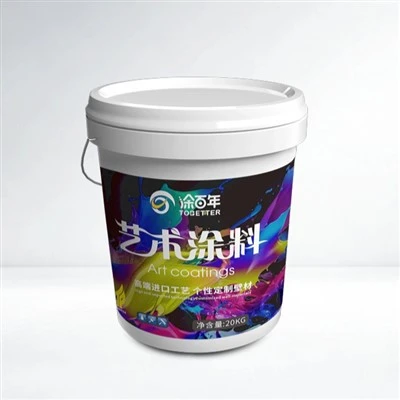
If you’re looking to install stone texture paint in your space, or need the right supplies to keep your existing finish looking great, feel free to reach out to my team to chat procurement and get all the tips tailored to your project. We’re here to help you keep that beautiful texture for years to come.
Sand Texture Paint References:
- Paint Quality Institute. (2022). Exterior Wall Coatings: Durability and Maintenance Guidelines.
- ASTM International. (2021). Standard Guide for Surface Preparation and Maintenance of Architectural Coatings.
- National Association of Home Builders. (2020). Sustainable Wall Finishes: Stone Texture Paint Care.
- University of Extension Services. (2019). Moisture Management for Exterior Architectural Paints.
- The Society of Wall Covering Manufacturers. (2023). Low-Impact Cleaning Methods for Textured Wall Finishes.
Guangdong Tubainian New Materials Co., Ltd.
Guangdong Tubainian New Materials Co., Ltd. is one of the most professional stone texture paint manufacturers and suppliers in China. If you’re going to buy bulk CE approved stone texture paint made in China, welcome to get quotation from our factory. All customized products are with high quality and low price.
Address: Lanshukeng Industrial Zone, Hongwei Village, Xinxu Town, Huiyang District, Huizhou City, Guangdong Province, China (Factory of Huizhou Huiyang Bohua Packaging Products Co., Ltd.)
E-mail: sean17898430991@gmail.com
WebSite: https://www.tobettercoating.com/
