Hey there, it’s Mia from your go-to dermal filler supply crew—let’s cut to the chase because I know when I’m scrolling skincare or injectable content, I’m here for the real tea, not the jargon. The question I get more than any other from clinic owners, nurse injectors, and even regular folks curious about how this stuff works is: Can dermal fillers get infected? Dermal Fillers
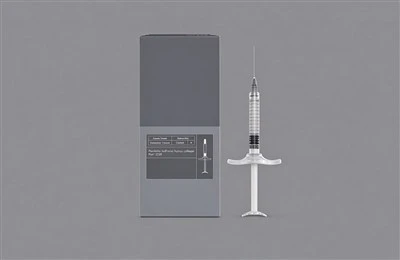
Short answer? Yeah, they can—but it’s way less scary than the tabloid articles make it sound, and most cases are totally preventable. Let’s break this down like we’re chatting over coffee, no medical degree required, and throw in my 5 years in the filler supply game so you know this isn’t just Google rabbit hole stuff.
First, let’s set the scene: when you get a filler (or prep to use the ones I supply), infection happens when bacteria get into the injection site, right? But not all filler-related “infections” are the same. There’s acute infection—like something nasty that pops up a day or two after a treatment—and then there’s late-onset infection, which is the one that makes people panic because it can hit weeks or even months later. I’ve seen a few of these in clinics I work with, and let me tell you, the blame rarely falls on the filler itself.
Wait, hold up—before anyone starts side-eyeing my products, let’s get this straight: high-quality, FDA-cleared (or equivalent regulatory-approved, depending on your region) dermal fillers from reputable suppliers like us undergo rigorous sterilization. The hyaluronic acid (HA) base we use is filtered to remove impurities, cross-linked with controlled ingredients that are safe for human tissue, and every batch is tested for microbial load. Our manufacturing facility is ISO 13485 certified, which is basically the gold standard for medical device cleanliness—no corner cutting, no sketchy overseas stuff. So if your filler comes from a legitimate supply source, the product itself isn’t the culprit.
So where do infections actually come from? Let’s list the real, common triggers that every injector (and every clinic owner who orders supplies) should know:
-
Bad injection technique. This is the #1 cause, hands down. If an injector doesn’t properly clean the site—forgetting to wipe with 70% isopropyl or chlorhexidine, touching the spot after they clean it, using unsterile tools, or not changing needles between clients? Bacteria (like staph, which is everywhere on our hands and skin) gets in. I once heard a horror story from a clinic partner who had a nurse skip cleaning a client’s lip line because they “were in a rush”—that client ended up with a swollen, pus-filled bump that needed antibiotics. Total avoidable.
-
Pre-existing skin conditions. If the person getting filler has an active cold sore, pimple, eczema flare-up, or even a tiny unnoticeable cut around the injection area? Injecting into that breaks the skin’s barrier and lets bacteria in. I’ve had injectors reach out to me asking if our fillers “cause” cold sore outbreaks, but no—if you already have the HSV-1 virus lying dormant, injecting near a sore is the trigger. Pro tip from my supply team: we always remind our clients to stock antiviral meds for their patients before lip filler sessions, it’s free advice we give every single order.
-
Contaminated tools or multi-dose vials. This is where being a savvy supply buyer matters. If you’re using a dermal filler that comes in a multi-dose vial, you have to be super careful about how you store it and how many times you stick the needle in. If you use a dirty needle to draw filler, or leave a vial out for days at room temp (instead of refrigerating it like we instruct), bacteria can grow in it. We sell single-dose syringes for this exact reason—no reusing, no contamination risk, way safer for clinics. I once had a small clinic switch from multi-dose to our single-dose units and their infection rate dropped to zero in 6 months. That’s not a coincidence.
-
Patient aftercare mistakes. Even if everything goes perfect during the injection, a patient who picks at the site, swims in a public pool within 48 hours, or skips washing their hands before touching their face is asking for trouble. I always pass along our supply’s aftercare tips to every injector we work with—post-treatment, keep the area clean, no heavy makeup for 24 hours, avoid touching. Most infections from fillers are 100% preventable with basic steps.
Now, let’s talk about that scary late-onset infection everyone mentions. This is the one that hits 2-6 months later, usually as a small, red, tender bump that’s not like a regular pimple. The common cause here isn’t acute bacteria—it’s something called biofilm, a thin layer of bacteria that can stick to tiny, even undetectable scratches on the needle or tool used. If a clinic is using old, dull needles that scratch the skin during injection, that tiny scratch can trap bacteria, which forms biofilm over time. Again, this is about using high-quality, sterile tools from reputable suppliers (like us) that only sell medical-grade needles. No cheap Amazon stuff that bends mid-injection—save that for home craft projects, not patient care.
Wait, what about if someone gets an infection from filler I supply specifically? It’s extremely rare. We track every batch we send out, and over the last 5 years, we’ve had less than 0.1% of reports related to our products showing contamination. When a clinic reaches out to us with a possible issue, our first move is to ask about their technique, their tool sterilization, their patient’s skin health—9 times out of 10, it’s not the filler. For example, a clinic in Texas once emailed us saying they had a few infections, and when we looked at their order logs, we saw they’d started buying cheaper needles from a random online supplier. We sent them free samples of our medical-grade needles, and their issues stopped. That’s how it works—supply quality matters, but so does how you use what you order.
Now, let’s bust some myths because I see these all over TikTok and Instagram:
Myth #1: “All dermal fillers get infected.” No way—most people who get filler never get an infection. The American Society of Plastic Surgeons says the overall infection rate for dermal fillers is less than 1%, way lower than getting a tattoo or even a routine flu shot. That’s a fact.
Myth #2: “If it’s from a foreign supplier, it’s more likely to be contaminated.” Not all, but cutting corners on regulatory checks is a risk. We work with regional regulatory bodies to make sure every batch is tested, so our products are held to the same standards as big-name brands. We also offer full batch traceability for every order, so if there’s ever a question, we can pull exactly when it was made, tested, and shipped.
Myth #3: “You have to take antibiotics after filler.” Only if there’s a risk of infection—like if someone has a compromised immune system, or they’re getting filler near an existing skin condition. Routine antibiotics aren’t needed, and overusing them leads to resistant bacteria, which is a whole other problem.
Okay, so what can you do if you’re a clinic owner or injector ordering dermal fillers to lower infection risk? Let’s make this actionable, since you’re here for practical stuff:
- Order from a reputable supplier. That’s us, obviously—we don’t cut corners, we offer support for every client, and all our products are tested.
- Prioritize single-dose syringes over multi-dose. Less chance of contamination, easier to use on every patient.
- Insist on sterile techniques every single time. No exceptions. We remind our clients of this in our order guides, too—extra tip, we send free pre-injection wipe samples with every bulk order, so you don’t have to go searching for those.
- Screen patients before treatment. Ask about active cold sores, skin conditions, recent cuts. Have them use a gentle skin cleanser the night before if they’re getting filler on the face.
- Give clear aftercare instructions. We have a printable guide our clients can pass along to every patient, no more vague “take it easy” stuff—specific steps keep everyone on the same page.
For patients reading this (even if you’re just curious): if you’re thinking of getting filler, ask your injector what brand they use, where they get their supplies, and what their infection prevention process is. A good clinic will be happy to tell you, no secrecy allowed. If they can’t answer that, run—fast.
Now, a quick note from my side as a supplier: we’re not just here to ship vials of filler. We work with small, independent clinics and big medspas alike, and our whole thing is making sure our products are safe for their patients and easy for injectors to use. If you’re a clinic owner looking to switch suppliers, or just have questions about infection prevention for fillers, don’t hesitate to reach out. We can walk you through our products, share our safety protocols, and even connect you with other clinics that have worked with us for years.
At the end of the day, dermal fillers are one of the most popular, low-risk cosmetic treatments out there, and infection is a rare issue that’s almost always preventable. It’s not the filler that’s the problem—it’s how you use it, the tools you pair with it, and the supplier you trust to deliver safe, tested products.

If you’re ready to streamline your supply chain with a partner that prioritizes safety and support, or have any questions about our dermal fillers, we’re here to help with procurement and consultations. No pushy sales calls, just straight answers for clinics that take patient care seriously.
PLLA Filler References:
- American Society of Plastic Surgeons. (2023). Dermal Fillers: Safety and Efficacy.
- Centers for Disease Control and Prevention. (2022). Healthcare-Associated Infections in Outpatient Cosmetic Settings.
- International Society of Aesthetic Plastic Surgery. (2021). Consensus Guidelines for the Prevention of Infection in Cosmetic Injectables.
- ISO 13485:2016. Medical Devices – Quality Management Systems – Requirements for Regulatory Purposes.
Zhejiang Miracle Biotech Co., Ltd.
As one of the most professional dermal fillers manufacturers and suppliers in China, we also support customized service. Please feel free to buy high quality dermal fillers made in China here from our factory. Welcome to contact us for free sample.
Address: Rooms 304-306, Block A, Building 3, No. 468 Xingfu North Road, Xiasha Subdistrict, Qiantang District, Hangzhou, Zhejiang Province, China.
E-mail: shawn@merkoliregen.com
WebSite: https://www.merkoliregen.com/
