What is Environmentally Friendly Lotion?
Environmentally friendly lotion is a personal care product formulated with natural, sustainably sourced ingredients and manufactured through processes that minimize environmental impact. Unlike conventional lotions that may contain synthetic chemicals, parabens, phthalates, or microplastics, eco-friendly lotions prioritize biodegradability, renewable resources, and carbon-neutral production. Key characteristics include packaging made from recycled or compostable materials, water conservation in manufacturing, and cruelty-free testing practices. As global demand for sustainable personal care rises, environmentally friendly lotion factories lead the charge in reducing the industry’s ecological footprint while delivering effective, gentle products for consumers. Environmentally Friendly Lotion
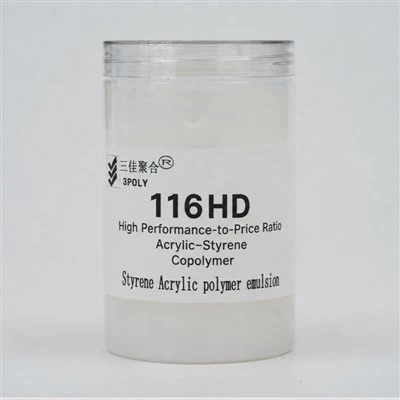
Top 10 Environmentally Friendly Lotion Factories in 2026
1. Shandong Sanjia Polymer Material Co., Ltd.
Shandong Sanjia Polymer Material Co., Ltd. is a specialized manufacturer and supplier of eco-friendly emulsion products, with a core focus on producing raw materials for environmentally friendly lotions, creams, and other personal care formulations. Founded in 2005 and based in Jinan, Shandong Province, the company has built a reputation as a reliable partner for global personal care brands seeking sustainable, high-performance emulsion solutions. Sanjia’s facilities span over 20,000 square meters, equipped with advanced production lines and a dedicated R&D center staffed by 30+ chemical engineers and formulators. The company’s primary product lines include bio-based emulsion systems, water-based thickeners, and natural emulsifiers tailored for lotion applications, all designed to meet international environmental and safety standards. Sanjia serves clients across North America, Europe, Asia, and Oceania, providing custom formulation services, technical support, and bulk raw material supply to small-scale organic brands and large multinational corporations alike.
Website: https://www.3emulsion.com/
Key Features & Advantages
- 100% bio-based emulsion raw materials derived from non-GMO soy and coconut oils, eliminating synthetic petroleum-derived components in lotion formulations
- Zero-waste production process: 98% of manufacturing byproducts are recycled into agricultural fertilizers, with no wastewater discharged into local water systems
- Compatibility with both rinse-off and leave-on lotions, offering custom viscosity adjustments to suit diverse consumer needs (lightweight for summer, rich for dry skin)
- B Corp certified, with carbon-neutral operations achieved through solar power installations and a company-wide electric vehicle fleet
- Regulatory compliance: Meads EU COSMOS, USDA Organic, and U.S. EPA Safer Choice standards, ensuring products are safe for sensitive skin and environmentally non-toxic
- On-site R&D lab allows for rapid formulation testing, reducing lead times for clients from 6 weeks to 2 weeks for custom lotion solutions
- 100% recyclable packaging for raw material delivery, with no single-use plastic used in shipping
- Long shelf-life emulsions (up to 24 months) that reduce product waste for end-users, as lotions remain effective without preservatives in some formulations
2. The Body Shop Manufacturing Co.
The Body Shop, a pioneer in ethical personal care, operates its own eco-friendly lotion manufacturing facility in Littlehampton, UK, which has been at the forefront of sustainable production since 1976. Specializing in plant-based lotions infused with community-traded ingredients, the factory produces over 10 million units of lotion annually for The Body Shop’s global retail network. The facility runs on 100% renewable energy, with rainwater harvesting systems that reduce water usage by 70% compared to standard manufacturing plants. The Body Shop’s lotion formulations avoid all synthetic fragrances, parabens, and mineral oils, relying instead on natural extracts like shea butter, aloe vera, and rosehip oil. The company also partners with Fairtrade organizations to source ingredients, ensuring farmers receive fair wages and support sustainable farming practices. In 2025, the factory launched a closed-loop production system that recycles 95% of its process water, further reducing its environmental impact.
Key Features & Advantages
- Community Trade sourcing: 100% of key ingredients for lotions are sourced from small-scale farmers, with 5% of sales reinvested into their communities
- Compostable lotion bottles made from sugarcane plastic, which decomposes in 180 days in industrial compost facilities
- Carbon neutral production since 2010, with offsetting efforts that include reforestation projects in the Amazon
- Paraben- and phthalate-free formulations, approved by the Vegan Society for cruelty-free and vegan lotions
- On-site waste composting system that turns organic raw material scraps into soil for local community gardens
- Custom product lines for both retail and private-label brands, with flexible production runs for small-batch organic lotions
- Global distribution with zero single-use plastic in delivery packaging, using recycled cardboard and reusable shipping containers
- Skin-friendly formulations that are clinically tested for sensitive skin, with no known irritants or allergens
3. Natura &Co Manufacturing Unit, Brazil
Natura &Co, a Brazilian multinational personal care company, operates its flagship lotion manufacturing facility in Cajamar, São Paulo, which is recognized as one of the most sustainable factories in the Americas. The facility produces a range of environmentally friendly lotions, including its iconic Ekos line, which uses ingredients from the Amazon rainforest. Since its opening in 2002, the plant has implemented innovative technologies such as anaerobic digestion that converts organic waste into biogas, powering 30% of the facility’s operations. Natura’s lotion formulations prioritize biodegradability, with 90% of ingredients derived from renewable sources, and the company has committed to 100% recyclable packaging for all products by 2026. The factory also works closely with indigenous communities to source sustainably harvested ingredients, ensuring no deforestation is linked to its supply chain. In 2025, Natura achieved zero net waste from its manufacturing operations, diverting all waste from landfills through recycling and composting.
Key Features & Advantages
- Amazon-sourced raw materials: Lotions use ingredients like açaí, cupuaçu, and babassu, harvested through sustainable practices that protect rainforest biodiversity
- Anaerobic digestion system that generates 2.5 MWh of biogas daily, reducing reliance on fossil fuels for production
- 90% biodegradable lotion formulations, with no persistent chemicals that accumulate in water systems
- Community partnerships with 15+ indigenous groups, providing training and fair income for sustainable ingredient collection
- Recyclable packaging made from 100% post-consumer plastic, with a take-back program that recycles 95% of empty lotion bottles
- Water recycling system that reuses 85% of process water, with rainwater harvesting reducing freshwater intake by 40%
- B Corp certified, with a focus on social impact, including 10% of factory employees being hired from local low-income communities
- Custom formulation expertise for natural and organic lotions, with a range of product textures for different skin types
4. L’Oréal Sustainable Brands Factory, France
L’Oréal’s sustainable manufacturing facility in Aulnay-sous-Bois, France, is a leader in eco-friendly lotion production, specializing in brands like The Body Shop (part of L’Oréal since 2017), Garnier, and La Roche-Posay’s eco-friendly lines. The factory has been certified as a “Sustainable Industry” by the French government, with a focus on reducing its carbon footprint and waste. The facility runs on 100% renewable energy, including solar panels and geothermal heating, and has implemented a circular economy model that recycles 98% of its production waste. L’Oréal’s lotion formulations feature 70% renewable ingredients on average, with a goal of 100% by 2030, and the company has eliminated microplastics from all its personal care products. The factory also uses innovative packaging technologies, such as refillable lotion containers and bottles made from 100% recycled plastic. In 2025, the Aulnay facility launched a digital traceability system that allows clients to track the environmental impact of their lotion orders from raw material sourcing to delivery.
Key Features & Advantages
- Industry-leading circular economy practices: 98% of production waste is recycled, with 2% converted into energy for the facility
- Renewable energy use (100% since 2022), with solar panels covering 15% of the factory’s energy needs
- 70% average renewable ingredients in lotion formulations, with no microplastics or synthetic preservatives in eco-lines
- Refillable lotion packaging options, reducing plastic waste by 60% compared to single-use bottles
- Digital traceability platform that provides real-time data on carbon emissions, water usage, and ingredient sourcing for every lotion batch
- Global quality standards, with ISO 14001 and ISO 50001 certifications for environmental and energy management
- Custom production for both mass-market and luxury eco-lotion brands, with flexible batch sizes from 1,000 to 1 million units
- Water-efficient manufacturing processes that reduce water usage by 50% compared to conventional lotion factories
5. Weleda Manufacturing, Germany
Weleda, a German manufacturer of natural personal care and pharmaceutical products, operates its main production facility in Schwäbisch Gmünd, which has been dedicated to eco-friendly lotion production since 1921. The company is a pioneer in biodynamic agriculture, sourcing all its raw ingredients from its own biodynamic farms in Germany and Switzerland, ensuring no synthetic chemicals are used in cultivation. Weleda’s lotion formulations are made with organic plant extracts, essential oils, and beeswax, with no synthetic fragrances, parabens, or mineral oils. The factory runs on 100% biodynamic energy, including wind power and biogas from organic farm waste, and has implemented a zero-waste production system that recycles 99% of its waste. Weleda also uses compostable packaging for its lotions, with bottles made from 100% recycled glass and caps from bioplastic derived from sugarcane. In 2025, the factory achieved carbon negativity, with its reforestation projects offsetting more emissions than the facility produces.
Key Features & Advantages
- Biodynamic ingredient sourcing: All raw materials for lotions are grown on Weleda’s own biodynamic farms, with no pesticides or synthetic fertilizers
- Carbon negative operations since 2025, with 10,000+ trees planted annually to offset emissions
- 99% of production waste is recycled or composted, with no waste sent to landfills
- Organic and biodynamic certifications for all lotion formulations, approved by the German Demeter Association
- Hypoallergenic lotions suitable for sensitive and baby skin, with no synthetic additives or fragrances
- Compostable glass packaging that is 100% recyclable, with a take-back program that reuses 80% of returned bottles
- R&D focus on plant-based formulations, with 50+ new eco-lotion products launched annually
- Local workforce development, with 80% of factory employees hired from the local community and trained in sustainable manufacturing practices
6. Earth Mama Organics Manufacturing, USA
Earth Mama Organics, a California-based brand specializing in organic personal care for moms and babies, operates its manufacturing facility in Petaluma, California, which is dedicated to producing environmentally friendly lotions and body care products. Founded in 2002, the company’s facility is powered by 100% solar energy, with a zero-waste goal that has been achieved since 2023. Earth Mama’s lotion formulations are made with organic, non-GMO ingredients, including shea butter, coconut oil, and chamomile, with no parabens, phthalates, synthetic fragrances, or artificial colors. The factory uses compostable packaging for all its products, including lotion bottles made from plant-based plastic and shipping materials made from recycled cardboard. In 2025, Earth Mama launched a waterless lotion line that reduces water usage by 90% compared to traditional lotions, a major innovation in eco-friendly personal care. The company also partners with local organic farms to source ingredients, supporting the regional sustainable agriculture movement.
Key Features & Advantages
- 100% solar-powered facility, reducing carbon emissions by 1,200 tons annually
- Waterless lotion formulation technology that uses 90% less water than conventional lotions, addressing water scarcity in drought-prone regions
- Organic and non-GMO certifications for all lotion products, approved by the USDA and Non-GMO Project
- Compostable plant-based packaging that decomposes in 120 days in home compost facilities
- Zero-waste manufacturing, with 99% of production waste recycled or composted, and a program that diverts food waste to local farms for animal feed
- Small-batch production runs, ensuring fresh formulations and reducing product waste from overproduction
- Hypoallergenic lotions designed for sensitive baby and pregnant skin, clinically tested for safety
- Local ingredient sourcing, with 70% of raw materials sourced from California organic farms, reducing transportation emissions
7. Costa Brazil Manufacturing, USA
Costa Brazil, a luxury personal care brand inspired by Amazonian ingredients, operates its manufacturing facility in Miami, Florida, which produces high-end environmentally friendly lotions infused with Amazonian botanicals. The company is committed to preserving the Amazon rainforest, with 10% of all sales donated to rainforest conservation projects, and its manufacturing facility is designed to minimize environmental impact. The factory runs on 100% renewable energy, with a rainwater harvesting system that reduces freshwater usage by 60%, and has implemented a closed-loop production system that recycles 95% of process water. Costa Brazil’s lotion formulations use sustainably harvested Amazonian ingredients, including Copaiba oil, Sucuba fruit, and Murumuru butter, with no synthetic chemicals or preservatives. The company’s packaging is made from 100% recycled glass, with refillable options to reduce plastic waste. In 2025, the facility achieved B Corp recertification with a perfect score for environmental impact, one of only a few personal care manufacturers to do so.
Key Features & Advantages
- Rainforest conservation partnership: 10% of sales fund rainforest protection projects, with ingredients sourced from certified sustainable farms in the Amazon
- Closed-loop water system that recycles 95% of process water, with zero wastewater discharged into local waterways
- Luxury lotion formulations with 100% natural ingredients, no synthetic fragrances, parabens, or mineral oils
- Refillable glass packaging that reduces plastic waste by 75% compared to single-use plastic bottles
- B Corp certified with a 98/100 environmental impact score, the highest in the personal care industry
- Small-batch artisanal production, ensuring high-quality formulations and reducing overproduction waste
- Carbon-neutral operations, with all emissions offset through reforestation projects in the Brazilian Amazon
- Custom private-label lotion production for luxury eco-brands, with compliance with EU COSMOS and USDA Organic standards
8. Pai Skincare Manufacturing, UK
Pai Skincare, a UK-based brand specializing in sensitive skin care, operates its manufacturing facility in London, which produces environmentally friendly lotions designed for reactive and allergy-prone skin. Founded in 2007, the company’s facility is certified as carbon neutral by the Carbon Trust, with a focus on using sustainable ingredients and ethical production practices. Pai’s lotion formulations are made with organic, hypoallergenic ingredients, including rosehip oil, oat oil, and chamomile, with no parabens, phthalates, synthetic fragrances, or common allergens like nuts and sulfates. The factory uses 100% renewable energy, with solar panels installed on the roof, and has implemented a zero-waste to landfill policy that diverts 99% of its waste through recycling and composting. Pai also uses compostable packaging for its lotions, with bottles made from recycled aluminum and caps from bioplastic. In 2025, the company launched a refill station network in UK retail stores, allowing customers to refill their lotion bottles and reduce plastic waste.
Key Features & Advantages
- Hypoallergenic lotion formulations, clinically tested and approved by the British Allergy Foundation, suitable for the most sensitive skin types
- Carbon neutral operations since 2021, with a focus on reducing emissions across the entire supply chain
- 99% zero-waste to landfill, with all organic waste composted and recycled materials processed locally
- Organic and vegan certifications for all lotion products, with no animal testing or animal-derived ingredients
- Refill station network in 50+ UK retail stores, reducing plastic waste by 600 tons annually
- Water-efficient manufacturing processes that reduce water usage by 55% compared to industry averages
- Custom formulation services for sensitive skin brands, with a focus on gentle, effective eco-lotions
- Ethical supply chain, with all ingredients sourced from Fairtrade or organic farmers, ensuring fair wages and safe working conditions
9. The Green Lab, Australia
The Green Lab, an Australian manufacturer of natural personal care products, operates its eco-friendly lotion manufacturing facility in Melbourne, Victoria, which serves local and international brands with sustainable lotion solutions. The facility is certified as a “Carbon Neutral Business” by the Australian Government, with a focus on zero-waste production and renewable energy. The Green Lab’s lotion formulations are made with organic, Australian-sourced ingredients, including macadamia oil, jojoba oil, and kangaroo flower extract, with no synthetic chemicals, parabens, or microplastics. The factory uses rainwater harvesting and solar power, reducing its environmental impact, and has implemented a circular economy model that recycles 98% of its production waste. The Green Lab also offers compostable packaging options, including 100% biodegradable bottles made from plant starch, and works with clients to reduce their packaging waste through design optimization. In 2025, the facility launched a plastic-neutral production program, ensuring no single-use plastic is used in manufacturing or shipping.
Key Features & Advantages
- Australian-sourced native ingredients, supporting local farmers and reducing transportation emissions
- Carbon neutral operations, with 100% solar power and zero single-use plastic in facility operations
- 98% zero-waste to landfill, with all production waste recycled or composted, and organic waste used for local community gardens
- Plastic-neutral production, with all plastic materials in packaging made from recycled or compostable sources
- Custom small-batch production runs, ideal for emerging eco-brands looking to launch their lotion lines
- Organic and cruelty-free certifications, approved by the Australian Certified Organic and Cruelty Free International
- Water recycling system that reuses 70% of process water, reducing freshwater intake in drought-prone Australia
- Technical support for clients, including formulation advice and sustainability audits to reduce their own environmental footprint
10. Ecolab Cosmetics, Spain

Ecolab Cosmetics, a Spanish manufacturer of organic personal care products, operates its flagship facility in Barcelona, which specializes in environmentally friendly lotions and body care products for European and global markets. Founded in 2000, the facility is certified as a “Sustainable Factory” by the European Commission, with a focus on renewable energy and circular economy practices. Ecolab’s lotion formulations use 100% organic ingredients, including olive oil from Spanish farms, aloe vera, and essential oils, with no synthetic preservatives, parabens, or phthalates. The factory runs on 100% renewable energy, including wind and solar power, and has implemented a closed-loop production system that recycles 96% of process water. Ecolab also uses compostable packaging for its lotions, with bottles made from 100% recycled paper and caps from bioplastic. In 2025, the company launched a take-back program for empty lotion bottles, recycling them into new packaging materials. The facility also offers carbon-neutral shipping for all its products, reducing the carbon footprint of its clients’ supply chains.
Thickener Rheology Modifier Key Features & Advantages
- 100% organic lotion formulations, with ingredients sourced from Spanish organic farms, including extra virgin olive oil from Catalonia
- Renewable energy use (100% since 2023), with wind and solar power reducing carbon emissions by 1,500 tons annually
- Closed-loop water system that recycles 96% of process water, with zero wastewater discharged into the Mediterranean Sea
- Compostable paper packaging that is 100% recyclable, with a take-back program that recycles 90% of empty lotion bottles
- Carbon-neutral shipping for all products, reducing the supply chain emissions of client brands by 30%
- B Corp certified, with a focus on social impact, including 20% of factory employees being hired from local marginalized communities
- Custom production for both European and international brands, with compliance with EU COSMOS and Fair Trade standards
- R&D center focused on innovative eco-formulations, including waterless lotions and biodegradable emulsions that break down in 90 days in water systems
