If you’ve ever watched a door swing open and shut smoothly—no squeaks, no wobbly gap, no catching mid-movement—you can thank a solid hinge assembly. But here’s the thing: putting those tiny, critical pieces together isn’t as simple as jamming two metal plates and a pin together. If you’re a cabinet maker, furniture brand, or even a construction contractor, you know bad hinge assembly means headaches down the line. That’s where our hinge machines come in, and let’s break down exactly how we handle this process for you—no fancy jargon, just real, on-the-ground stuff we run into every day as a hinge machine supplier. Hinge Machine
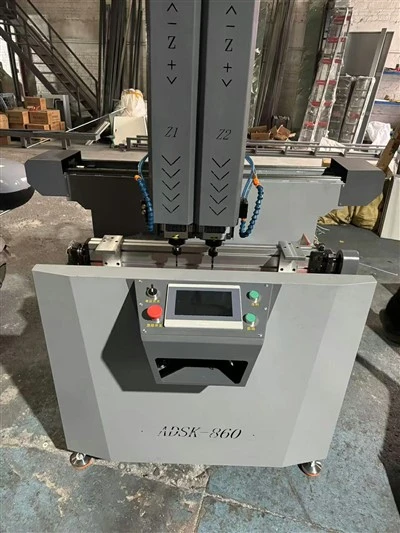
First off, let’s skip the basics. Most people don’t realize hinge assembly has three core parts, right? The leaf plates (the flat parts that screw to the door and frame), the knuckle stack (the little loops that hold the pin), and the pin itself. But here’s the catch: if you put those together wrong, even a $200 door will start sagging in 6 months. Our machines don’t cut corners here. Let’s walk through the process step by step, like we’re showing it to a new customer who just got their first machine.
Step one: parts feeding. If you’ve ever tried to line up 50 tiny leaf plates by hand, you know that’s a nightmare—misaligned plates mean wobbly hinges, and you can’t spot every mistake by eye. Our hinge machines use vibratory feeders, but not the cheap ones that jam with bent parts. We spec heavy-duty, stainless-steel feeders that separate good parts from bad on the fly. If a leaf plate has a bent mounting hole or a scratch that would cause a weak spot, the feeder kicks it out before it even gets to the assembly line. No more wasting time fixing bad parts later. That’s a big win for small shops that can’t afford to toss half their raw material.
Next, aligning the knuckles. The knuckle stack is what lets the hinge swing, so those loops have to line up perfectly—off by 0.1mm, and the pin won’t slide in, or it’ll bind when the door moves. Our machines use precision locator pins that drop right into the center of the knuckle holes, and a vision system (think: super high-speed camera) double-checks alignment before moving on. I’ve seen other suppliers cut corners here—their machines just push the knuckles together without checking—and the end result is 10% more scrap. For our customers, that’s 10% less profit, so we fix that. We even let you tweak that alignment setting on the fly if you’re making a specialty hinge for a custom cabinet—no need to call a technician to reprogram the whole thing.
Then there’s the pin insertion. This is where most assembly lines mess up. If you push the pin in too hard, you bend the knuckles; too soft, and the pin falls out later. Our machines use a servo-driven press that applies exactly the right amount of force, every single time. We calibrated ours so you can’t get it wrong—even if your raw pin has a tiny burr (a little sharp edge from stamping), the press adjusts just enough to slide it in without damaging the metal. Also, we do a quick “pin check” after insertion: a little sensor taps the end of the pin to make sure it’s seated properly. If it’s too loose, the hinge gets flagged and set aside. No more doors falling off their hinges mid-install, which is the worst kind of callback.
Wait, and we can’t skip the crimping step, right? Once the pin is in, you have to crimp the ends slightly so the pin doesn’t slide out. A lot of machines do this at the same time as pin insertion, but that leads to worn crimping dies fast. Our machines separate those steps, so the crimping tool lasts twice as long. That means less downtime for you when you’re running a big order—no stopping every 2 hours to replace a die. I’ve had customers tell us that cut their maintenance costs by 30% in the first 6 months, which is way more than they spent on the machine.
But here’s the part that’s not in the spec sheets: we design these machines for real-world use, not just factory floors. Let’s say you run a small cabinet shop that shifts between making 100 small cabinet hinges one week and 50 heavy door hinges the next. Our machines don’t require a 30-minute setup to switch between the two—you just change a few quick settings and swap out a die in 5 minutes. Other suppliers’ machines are locked into one hinge size, which sucks if you do custom work. We built ours to be flexible, because most of our customers aren’t huge factories—they’re the guys who take custom jobs to pay the bills.
I should also mention quality control, because that’s where a lot of hinge assembly fails. Our machines aren’t just putting parts together—they’re tracking every hinge that comes off the line. For example, if a leaf plate is 0.2mm too small, the machine logs that, so you can adjust your raw material order to fix it. If you get a bad batch of pins, the machine will flag it immediately, before you waste 1,000 hinges on a bad batch. That’s not just convenience—that’s saving you money. I once had a customer who was using a cheap hinge machine, and 20% of their hinges were failing because they didn’t catch a knuckle alignment issue. Switched to our machine, and their scrap rate dropped to less than 1%. That’s a huge difference for their bottom line.
Now, let’s talk about what this means for you, the buyer. If you’re tired of wasting time and material on bad hinge assemblies, if you’re tired of callbacks because a hinge fell apart, our machines don’t just assemble hinges—they’re built to make your job easier. We don’t sell you a machine that’s a pain to use, and we don’t leave you hanging when you need help. If you’re testing a batch of hinges and notice something off, our techs will walk you through adjusting the settings over a call, no charge, no waiting for a service truck.
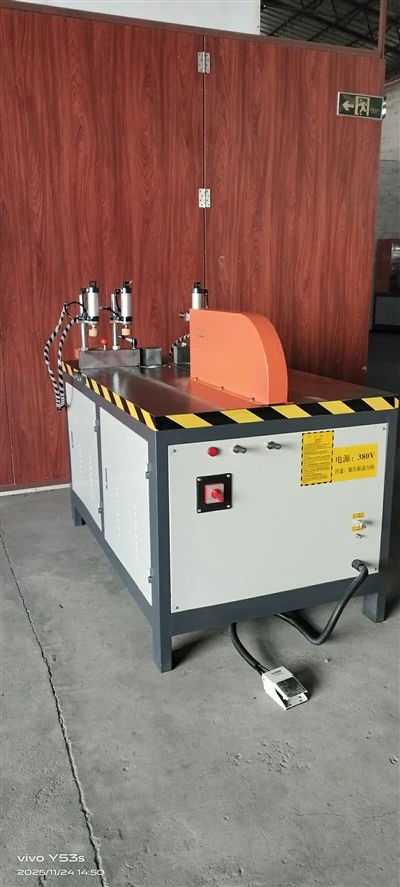
Single Head Aluminium Cutter At the end of the day, a hinge is such a small part, but it makes or breaks a door or cabinet. You don’t want to skimp on how you put them together. If you’re looking to upgrade your hinge assembly process, get in touch to chat—we’ll send over a demo video, walk through your current workflow, and make sure the machine we build works for you, not just us. No salesy pitches, just straight talk about what you need to stop dealing with the headaches of bad hinge assembly.
References
- Industrial Machinery Digest. (2022). Precision Assembly for Hinge Manufacturing.
- Furniture Production Magazine. (2023). Reducing Scrap in Small-Scale Hinge Assembly.
- Journal of Manufacturing Processes. (2021). Servo-Driven Assembly Systems for Metal Components.
Kanghong Building Materials Technology Sdn. Bhd.
As one of the most professional hinge machine manufacturers and suppliers in China, we have world-leading production equipment and strong manufacturing capabilities. Please feel free to wholesale advanced hinge machine for sale here from our factory. Customized orders are welcome.
Address: No.601, Block 2, Xinlianchang Industrial Park, No.2 Taixing Second Road, Taiping South Industrial Zone, Dali Town, Nanhai District, Foshan City
E-mail: 631871392@qq.com
WebSite: https://www.kanghong-building.com/
