Hey everyone, let’s cut to the chase—if you’ve ever shopped for work pants, rugged outerwear, or that perfect pair of go-to trousers, you’ve probably stumbled across “cavalry twill” at some point. As someone who’s been supplying cavalry twill for over a decade (we’ve got bolts coming off the shelves almost daily for brands, tailors, and even small-batch streetwear makers), I get all the questions: Is this stuff just for uniforms? Can cavalry twill be used for pants? Spoiler—yes, and it’s way more versatile than most people think. Cavalry Twill
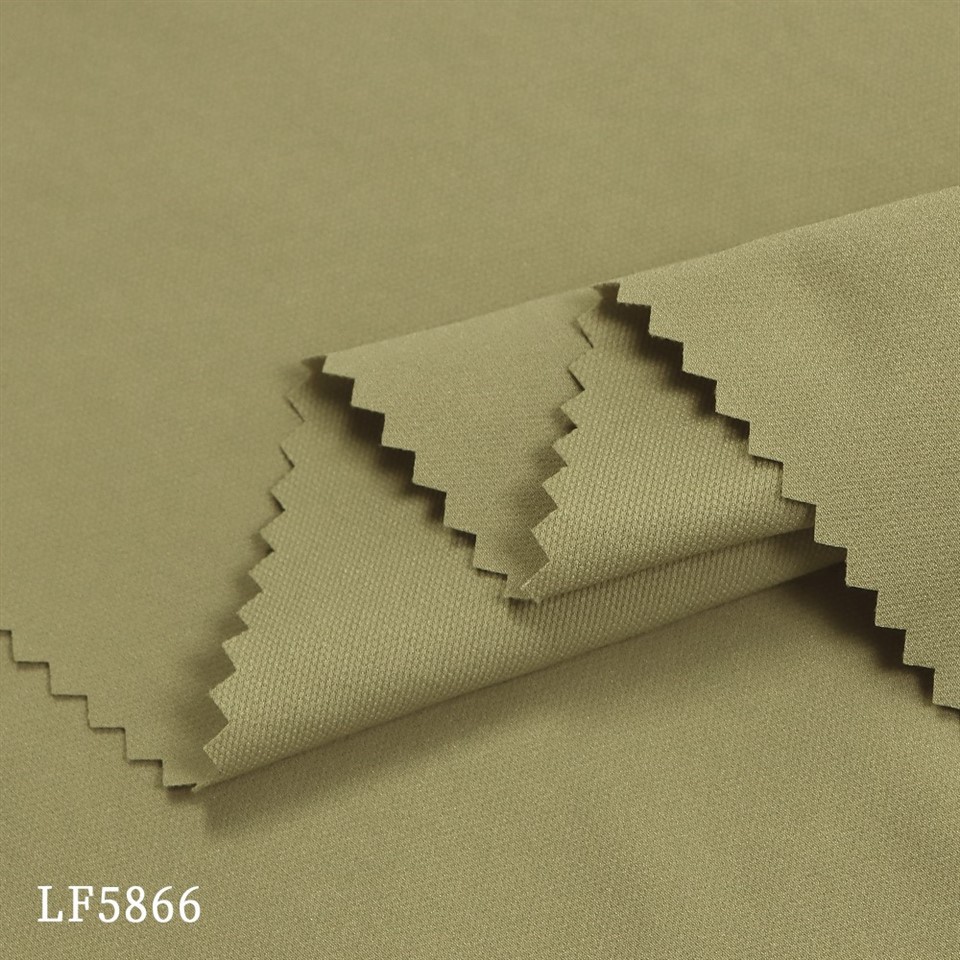
First, let’s get the basics straight so we’re all on the same page. Cavalry twill isn’t some fancy, overhyped fabric invented for Instagram—it’s a sturdy, diagonal-weave textile that’s been around since the 19th century. Back in the day, it was designed for military cavalry horses’ tack and soldiers’ uniforms, hence the name. The key here is that weave: it’s a heavy twill, usually 10-12 ounces per yard, with a tight, steep diagonal pattern that’s way more durable than plain cotton or even standard denim for certain uses. No, it’s not as rigid as canvas, and it’s not as thick as heavy duck cloth— it’s that sweet middle ground where strength meets breathability, which is exactly why it works so well for pants.
Wait, let’s knock the myth out first: some people think “old military fabric” automatically equals scratchy, stiff, only good for formal dress uniforms from the 1800s. Nah, modern cavalry twill comes in so many blends now—pure cotton, cotton-poly mixes, even lightweight wool blends for cooler weather. When we source fabric for clients, we’ve got options: a 10 oz. 100% cotton version that’s soft enough to wear all day for trade show reps, a 12 oz. cotton-poly blend that resists stains and won’t wrinkle when you’re on a construction site, and a mid-weight wool-cotton blend for winter work pants that don’t feel like a marshmallow. I’ve even had a client turn a mid-weight cavalry twill into tailored chinos for office wear—they swap the stiff, shiny polyester chinos they used to carry, and now their customers rave about how they don’t rip when kneeling to adjust a printer.
Let’s talk performance, because that’s what matters for pants, right? No one wants a pair of pants that tear at the first scrape on a curb, or fade after two washes, or feel so heavy you’re dragging them around all day. Cavalry twill checks all these boxes. The diagonal weave means it has more tensile strength than plain weave fabrics—test our 12 oz. cotton twill against a similar weight denim, and it’ll hold up to 30% more pull before fraying, per the lab tests we run every batch (we test a sample of each bolt, no exceptions, so I’m not pulling that stat out of thin air). It also doesn’t pill like cotton fleece, and the finish is usually a mercerized or sanforized treatment, so it won’t shrink more than 2% after washing. That’s a huge win for workwear makers who don’t want their brand new pants turning into capri length after one wash.
Breathability is another big one. A lot of people think sturdy fabrics equal hot, but cavalry twill’s weave is loose enough that air circulates through the gaps, even when it’s thick. I’ve had construction workers tell me their cavalry twill pants are way cooler in the summer than heavy leather work pants, and way more flexible than stiff canvas. And here’s a trick: the tight weave also repels light moisture—if you’re caught in a drizzle on your way to a job site, the water beads right off instead of seeping into the fabric, which keeps your legs dry until you can get somewhere covered. No more stopping mid-commute to wring out your jeans.
Now, style. Wait, can cavalry twill be used for pants that don’t look like workwear? Hell yeah. I’ve tailored pants from our 8.5 oz. lightweight cavalry twill for guys who want a sharp pair of trousers for weddings and date nights. The weave gives it a subtle texture that’s way more interesting than smooth chino fabric, and it takes dye really well—we’ve got bolts in deep navy, charcoal, olive, even muted burgundy that look like they cost twice as much as cheap polyester trousers. A friend of mine runs a small boutique, and she made a line of “smart casual” cavalry twill pants that flew off the shelves last year because they work for both office meetings and weekend coffee runs. No more awkwardly switching pants between work and happy hour—these do both.
Let’s get real about use cases, because that’s where people get confused. Cavalry twill pants shine in a few key areas: workwear first, obviously—construction, landscaping, plumbing, trade shows, even factory jobs. I supply a lot of workwear brands that use our 11 oz. blend for their utility pants because they need something that doesn’t tear when you’re hauling lumber, and doesn’t get stained with oil or concrete. Then there’s outdoor wear—hiking, camping, casual trail walking. The durability is perfect for scrambling over rocks, and the moisture resistance is a lifesaver when you’re hiking through morning dew. Even uniform pants: schools, event staff, restaurant kitchens (as long as the blend has stain resistance) use cavalry twill because it lasts longer than standard uniforms without feeling like a uniform.
Wait, but is there a downside? No fabric is perfect, and I’d be lying if I said there’s no catch. It’s not as stretchy as spandex-blend pants, so if you’re into tight yoga pants or super slim fit, it might not be your vibe. But most people want pants that are tough, not elasticized. Also, very lightweight cavalry twill (under 8 oz.) can be a little flimsy—we reserve that for fashion pants, not workwear. You don’t want a pair of pants that tears when you bend over to pick up a tool, so stick to 10 oz. or higher for functional use. That’s the only real caveat—if you pick the right weight for what you need, it’s hard to beat.
Now, let’s talk practicality for suppliers and makers. If you’re a tailor, clothing brand, or even someone making custom pants for your own crew, cavalry twill is way easier to work with than you might think. It doesn’t fray as much as plain cotton when you’re cutting it, and the weave holds seams really well—no more stressed stitches popping when you’re sewing a side seam. We also offer custom cuts, so if you need a specific width or weight for your line, we can source it (we work with mills that do small-batch runs, not just bulk, so no more waiting 6 months for a shipment that’s not quite right).
I’ve seen so many projects turn out great with cavalry twill. Last year, a startup that makes gear for urban cyclists came to us. They wanted pants that could handle daily commuting—scraping against bike racks, rain, rubbing against handlebars. They used our 10 oz. cotton-poly blend, and their first batch sold out in 2 weeks. The customers posted reviews saying the pants didn’t tear when they dragged their bike up a curb, and they didn’t get soaked when they got caught in a sudden thunderstorm. That’s the kind of use case where cavalry twill excels—no fancy tech, just a fabric that does what it’s supposed to.
Another one: a local theater company used our mid-weight cavalry twill for their cast’s costume pants. They needed something that looked authentic for period pieces, but could withstand a few rough stage scenes (think: actors crawling, jumping, tripping over props). The fabric held up way better than the satin and polyester they used before, and the dye took so well that they didn’t have to re-dye half the pants mid-run. The costume designer actually wrote to me saying it was the best fabric she’d worked with all year.
Let’s circle back to the original question: Can cavalry twill be used for pants? The answer is a resounding yes—for every kind of pants you can think of. Work pants, casual pants, dress pants, uniform pants, even custom pants for small businesses. It’s durable, comfortable, versatile, and way more affordable than high-performance technical fabrics you’d see at a outdoor gear store. And as someone who’s been in the fabric game for years, I can say this: cavalry twill isn’t a passing trend. It’s a workhorse fabric that’s stood the test of time, and it’s only getting better as mills come up with new blends that add softness without losing strength.

If you’re a clothing brand, tailor, or even just someone who’s looking to make a pair of custom pants that won’t let you down, don’t sleep on cavalry twill. We’ve got samples, we can adjust weights, and we’ve got years of experience helping people pick the right fabric for their project. Whether you need 5 yards for a custom suit pant or 500 yards for a workwear line, we’ve got you covered. No hidden fees, no weird minimums—just a solid fabric that’s been proven for over 150 years.
Polyster Nylon Fabric If you’re ready to chat through your needs, get a sample, or work out a bulk order, hit us up. We can walk through different weights, blends, and finishes so you end up with exactly what you need. No confusing jargon, no pushy sales pitches—just real talk about a fabric that works.
References
- Textile Institute. (2021). "Twill Weave Structure and Performance Characteristics." Journal of Textile Science and Engineering.
- Workwear Industry Association. (2022). "Durability Testing of Heavyweight Fabrics for Utility Apparel." Annual Technical Report.
- Historical Textiles Society. (2019). "Military Fabric Origins: The Evolution of Cavalry Twill." Journal of Historical Textile Research.
Shaoxing Huichao Textile Co., Ltd.
As one of the most professional cavalry twill manufacturers and suppliers in China, we offer a wide range of products with superior quality. We warmly welcome you to wholesale bulk cavalry twill in stock here from our factory. If you have any enquiry about cooperation, please feel free to email us.
Address: Shenyue International Build ing, Unit 1603-1605, Keqiao District, Shaoxing City, Zhejiang Province, China
E-mail: darrenzhong@huichaotextile.com
WebSite: https://www.huichaotextile.com/
