If you’ve ever stood in a machine shop, watched a twist drill bite into a steel workpiece, and wondered, “How deep can this thing actually go?” — you’re not alone. I’ve been selling twist drills for over a decade now, and that question comes up at least twice a week: from a new hobbyist building a backyard metal shed, from a production manager trying to cut cycle times for a farm equipment assembly line, even from a aerospace technician troubleshooting a tight-tolerance fastener hole. It’s a fair question, too — because the answer isn’t as simple as “as deep as the drill’s length.” It depends on a dozen small, often overlooked factors that separate a drill that works for a 1-inch hole from one that can reliably drill 10 feet deep without breaking. Twist Drill
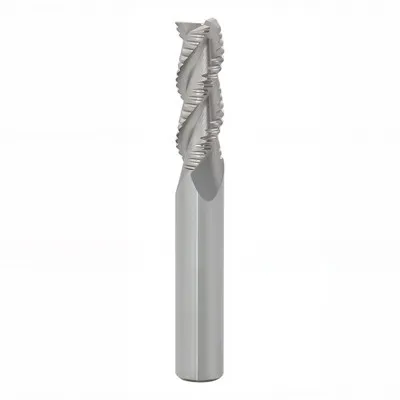
Let’s start with the basics: a standard twist drill isn’t just a sharpened rod with two flutes cut into it. The flutes are there for a reason — they carry chips of metal, plastic, or whatever material you’re cutting out away from the cutting edges, and they also carry cutting fluid to cool the tip. That’s the first limit on depth. If you drill too deep, the chips have to travel farther to get out, and if you don’t account for that, they’ll jam in the flutes. Jammed chips mean the drill binds, the torque spikes, and before you know it, you’re staring at a broken drill bit and a gouged workpiece. For that reason, most manufacturers — including the ones I supply — won’t recommend drilling a hole deeper than 10 times the drill’s diameter (that’s called a depth-to-diameter ratio, or D:d ratio, for the nerds in the room). A 1/4-inch drill, that’s 2.5 inches deep. A 1-inch drill, 10 inches. That’s the rule of thumb for general-purpose drilling, and it holds up pretty well for most materials: mild steel, aluminum, wood, even plastic.
But here’s where it gets interesting: that rule isn’t set in stone. If you use a drill designed for deep holes — often called a “gun drill,” though technically gun drills are a type of deep-hole drill, not a standard twist drill — you can go way deeper. Wait, you might be thinking, aren’t gun drills just specialized twist drills? Sort of. A standard twist drill has two flutes, and the material is held rigid by the drill’s shank, but as it gets longer, it’s more likely to flex, right? That’s another big factor: drill deflection. A 12-inch drill with a 1-inch diameter is a lot more likely to wobble than a 2-inch drill with the same diameter. That wobble makes the hole off-center, rough, and can cause the drill to snap if you push too hard. So for ratios over 10:1, you need a drill that’s stiffer, with a larger core (the solid part in the middle between the flutes) to resist bending. I’ve sold custom-order 1-inch deep-hole drills that go 20 inches deep — that’s a 20:1 ratio — for a company making hydraulic cylinder parts, and they’ve used them reliably for three years now. They just have to slow the feed rate down and use plenty of cutting oil to keep chips moving.
Material is another huge variable. Drilling deep holes in soft, ductile materials like mild steel or brass is way different than drilling deep holes in hard, brittle materials like stainless steel or titanium. Ductile materials form long, stringy chips that are harder to evacuate, so you can’t drill as deep as you can in a material that forms small, granular chips (like cast iron). I once had a customer drilling 8-inch deep holes in cast iron with a 1/2-inch drill — that’s a 16:1 ratio — and he had no issues, but when he tried the same drill on stainless steel, he couldn’t get past 4 inches before the drill started binding. That’s because stainless steel chips are tough and tend to weld to the drill’s cutting edges, creating extra friction and heat that makes the drill dull faster. If you’re drilling deep holes in hard materials, you might need to go down to a 5:1 or even 3:1 ratio to avoid overheating and breakage.
Then there’s the machine you’re using. A drill press with a rigid, secure base and consistent feed is way better for deep drilling than a hand drill, which can wobble at the best of times. I’ve seen hobbyists try to drill a 10-inch hole with a hand-held 1/4-inch drill and wonder why the drill broke halfway through — hand drills just don’t have the rigidity to support a long drill bit, and the feed rate is too inconsistent. For deep holes, you need a machine that can apply steady, controlled pressure, and you might even want to use a drill guide or a bushing to keep the drill aligned straight. Alignment is key here; even a 1-degree angle off-center will get worse the deeper you go, and before you know it, your hole is so far off that it’s useless.
Cooling and lubrication are often the unsung heroes of deep drilling. When a drill is spinning, the cutting edges generate a lot of heat — enough to soften the tip if it’s not cooled, which makes it dull in minutes. For shallow holes, a quick spray of cutting fluid might be enough, but for deep holes, you need to flood the hole with coolant, not just the tip. Some deep-hole drills have internal passages that let coolant flow directly to the cutting edges, which also helps push chips out from the inside. I’ve supplied a set of 3/8-inch drills for a boat manufacturer that drills 12-inch deep holes in aluminum for propeller shafts, and they don’t use any other coolant than the internal flow — they haven’t had a drill break in that application in two years. That’s a testament to how important coolant is for deep drilling.
Wait, what about even deeper holes? Like, really deep? I’ve heard of drills going 100 feet or more for oil well drilling, but those aren’t the twist drills most of us use in machine shops. Oil well drills are massive, hollow, and made of extremely tough materials, designed to withstand high pressure and extreme conditions. They’re a totally different category than the twist drills I supply for industrial and small-scale use. For everyday applications — think automotive parts, furniture, general fabrication — the maximum depth you’ll need is almost never more than 20 or 30 inches, and even then, you can get there with the right drill and setup.
I’ve learned a lot of lessons about this over the years, mostly from customers who’ve called me panicking because their drill broke halfway through a job. One time, a guy from a custom cabinet shop called me at 7 a.m. because he’d snapped a 1/2-inch drill while trying to drill 6-inch deep holes in hardwood for door hinges. He was using a standard general-purpose drill, not a wood twist drill, and he was pushing too hard. I told him to switch to a brad-point drill for wood (which is a type of twist drill with a center point to prevent wandering), slow his feed rate, and use a little bit of water as lubricant. He called me two hours later to say he’d drilled all four holes without a problem. That’s the thing about twist drills: they’re versatile, but you have to match the drill to the job, and understand its limits.
So to circle back to the original question: how deep can a twist drill drill? The short answer is, it depends — but here’s a simple breakdown you can use, based on what I’ve seen in 10 years of selling drills:
- For most general-purpose drilling in mild steel, aluminum, or wood: up to 10 times the drill’s diameter (10:1 ratio). That’s the sweet spot for most jobs, from a 1/4-inch drill drilling 2.5 inches deep for a shelf bracket to a 1-inch drill drilling 10 inches deep for a car engine part.
- For rigid, specialized deep-hole drills (for materials like cast iron or soft steel): up to 20 times the diameter (20:1), if you have the right machine, coolant, and feed rate.
- For hard materials like stainless steel or titanium: stick to 3:1 to 5:1 ratio, because those materials wear out drills fast and jam chips easily.
And don’t forget: if you’re unsure, just ask. I’ve helped dozens of customers pick the right drill for their depth and material, and it’s way better to order the right bit before you start a job than to have to replace a broken drill halfway through. I’ve also seen people try to stretch a drill beyond its limits to save a few bucks, and that always ends up costing more in broken parts, damaged workpieces, and lost time.
At the end of the day, a twist drill’s maximum depth isn’t a fixed number — it’s a balance of the drill’s design, the material you’re cutting, the machine you’re using, and how you maintain it. Whether you’re a hobbyist drilling a few holes for a backyard project or a production manager needing consistent, deep holes for a high-volume job, the right drill and a little know-how will get you there. If you’re working on a project and aren’t sure what drill to use, or need a reliable twist drill that can handle deep holes for your application, reach out to my team to discuss your needs. We’ll help you pick the right drill, share tips for drilling deep holes successfully, and make sure you get the job done right the first time.
Cnc Threading Tools References:
- DeVries, W. R. (1985). Metal Removal Mechanics. ASME Press.
- Tuttle, M. B. (2004). Manufacturing Processes for Engineering Materials. Prentice Hall.
- Oxford, R. (2012). "Deep Hole Drilling: Principles and Practices". Manufacturing Engineering Magazine.
Small Craftsman (Shandong) Machine & Tools Co., Ltd.
Small Craftsman (Shandong) Machine & Tools Co., Ltd. is one of the most experienced twist drill manufacturers and suppliers in China, also supports customized service with low price. Please feel free to buy bulk high quality twist drill in stock here from our factory. Contact us for pricelist.
Address: No.9 Quanxin Rd., Sishui Economic Developing Zone, Jining, Shandong, China.
E-mail: 6196@ocutchina.com
WebSite: https://www.ocutooling.com/
