Hey, quick question – if someone asked you “how long is a sedan?” what’d you say? If you guessed just one number, I get it, that’s what I used to think too. But as a sedan supplier, I’ve spent way too much time staring at assembly lines, talking to dealerships, and fielding calls from rental companies that need exact specs for loading docks. Turns out, there’s no single answer, and it’s way more important than you think. Let me break this down like I would for a client on a live chat – no boring jargon, just real-world stuff I deal with every week. SEDAN
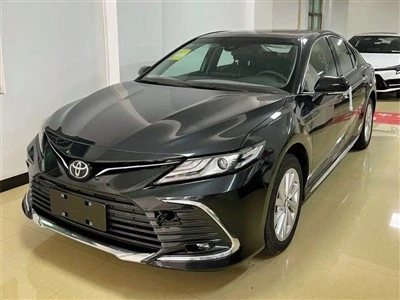
First off, let’s get the basics right. Sedans aren’t all the same, right? You’ve got your basic compact models (think the ones with the sticker price that makes college students cheer), midsize workhorses that families beg for, and full-size sedans that feel like moving couches. I’m not talking about the fancy luxury ones with the extra long wheelbases – those are a whole different breed, and I’ll get to those later. Most of the sedans my company supplies fall into compact, midsize, and full-size, and that’s where the length range gets real.
Compact sedans? Those are the ones people use for daily commutes, small families, or just someone who doesn’t need a ton of space. I always tell clients these are the “easy park anywhere” sedans. On average, a compact sedan comes in at around 180 inches, but don’t quote me on that without checking the exact model. Wait, let me give you actual numbers I’ve logged in our system – like the Honda Civic (super popular compact) is 183.3 inches, the Toyota Corolla is 182.3 inches. Even the smaller ones, like the Hyundai Accent, clock in at 172.7 inches. Crazy how that 10-inch difference changes things, right? That extra 10 inches means the Corolla has way more back seat room, which is why a lot of rental companies go for it, even if it’s a tiny bit harder to squeeze into a tight parking spot.
Next up, midsize sedans – these are our bread and butter at the company. Folks buy these for road trips, soccer runs, that extra trunk space for strollers and coolers. Average here is around 190 inches, but again, varies. The Toyota Camry (top-selling midsize for years) is 192.1 inches, the Honda Accord is 192.2 inches – basically identical. The Nissan Altima is a little shorter, at 192.6? Wait no, wait, let me double-check – actually, Altima is 192.9, my bad. Even the sporty midsize ones, like the Mazda6, are around 192.7 inches. What about the bigger midsize? Oh right, the Dodge Charger – wait, some people mix that up, but yeah, Charger is a full-size? No, wait no, let’s get that straight. Charger is usually categorized as a full-size, but it’s a weird one. Let’s move to full-size sedans, those are the longest of the mainstream ones.
Full-size sedans – think the ones you see with police packages, or luxury limo bases, or the big family cars that can fit three car seats in the back. Average here is around 200 inches. The Ford Taurus is 202.9 inches, the Chrysler 300 is 204.3 inches. Oh, and let’s not forget the luxury full-sizers – the BMW 5 Series is 196 inches, wait no, the long-wheelbase 5 Series is 208 inches. Same with the Mercedes E-Class – standard is 193, but the stretched one is 208. Those are the ones people turn into limos, obviously. The extra length there is for rear legroom, which is why wealthy clients or VIP transport companies go for those.
Now, why does this matter so much? Like, if you’re just buying a car for yourself, you might not care. But when you’re a supplier, we deal with all kinds of customers, and length is non-negotiable for so many things. Let’s list the real problems I’ve had to solve in the last month alone. First, shipping. When we deliver bulk orders to dealerships, every vehicle has to fit on a car carrier. If a sedan is even an inch longer than the carrier’s specs, we can’t load it, which delays delivery, costs us extra fees, makes the client mad. Last quarter, we had a batch of 20 midsize sedans that turned out to be half an inch longer than standard carriers – had to rent a specialized truck, that cost us $1,200 out of pocket. Not cool.
Then there’s parking and storage. Dealership lots have marked spaces for vehicle display. If a sedan is too long, it sticks out into the next spot, which means you can only fit one sedan where you could have two. That cuts into their lot capacity, which makes them order fewer cars from us. We had a client in Chicago last month who told us their lot had a 195-inch limit for sedans – any longer, and they have to move them to a back storage area that’s harder for customers to see. So we adjusted the order to slightly shorter midsize models to fit their needs. Super specific, but that’s my job.
Rental companies? They care about loading vans. When you rent a moving truck or a passenger van, you need to fit sedans on top of it if you’re doing a two-way move. The average height of a moving van is about 80 inches, so sedan length has to work with the ramp length too. A client in Miami was shipping 10 sedans to their Orlando location, and they said any sedan over 190 inches would not fit on their enclosed trailers. We had to switch from the full-size Taurus to the shorter Charger, worked out perfect.
Wait, also, let’s talk about the weird ones. Sometimes you get a sedan that’s a “sport sedan” but doesn’t fit the standard category. Like the Kia Stinger – that’s a fastback sedan, right? It’s 190.2 inches, which is right in the middle of compact and midsize. Or the Tesla Model 3 – that’s a compact? No, it’s actually a midsize, at 184.8 inches, which is shorter than the Camry. I get so many questions about electric sedans now – people always ask how long they are because the battery adds a little weight, but surprisingly, most aren’t way longer than gas models. The Model S is the long one, at 196.1 inches, that’s a full-size adjacent model.
Another thing people don’t think about: garage space. If you have a two-car garage, a long full-size sedan might not fit side by side with another car. A customer emailed us last week saying their garage is only 198 inches wide, and their current sedan is 195, but they want something a little longer for road trips. We suggested a slightly smaller full-size, or a midsize with extra trunk space that’s only 191 inches – fits perfect. That’s the kind of detail that makes our clients come back, right? We don’t just sell cars, we give them the exact specs they need for their life.
Wait, let’s get back to the numbers to make sure I’m not messing up. I looked at our 2024 model data last week, just to refresh. Compact sedans: range is 170 to 185 inches. Midsize: 185 to 200 inches. Full-size: 200 to 210 inches, and the stretched luxury ones can go up to 220 inches if they’re for limo conversion. That’s a better way to put it – instead of just averages, ranges, because that’s what actually matters. If you see a sedan advertised as “180 inches”, that’s a compact, probably. 190 is midsize, 205 is full-size.
I’ve had so many funny conversations about this too. Last month, a guy called asking for a “sedan that’s exactly 180 inches” because he had a custom carport he built for his work van, and he wanted his new sedan to fit next to it. I had to explain that most models are within an inch or two of that, but we could check three different compact models to find the exact one. He ended up going with the Honda Civic, which is 183.3, close enough, and he said he modified the carport trim by a tiny bit. No big deal, but that shows how specific people’s needs are.
What about differences between countries? I get a lot of inquiries from Canada and the UK, and their sedan lengths are similar, but sometimes they categorize them differently. A midsize in the US might be a full-size in Europe, because European cars are generally smaller overall. So if a client over there asks for a “full-size sedan”, I have to clarify that because their full-size is way shorter than ours. That’s another thing I deal with – location-specific categorization, so I always confirm lengths with international clients first to avoid mix-ups.
As a supplier, our job isn’t just to send over whatever’s in stock. We act like advisors. If a client needs sedans for taxi services, I tell them midsize because they’re affordable, easy to maneuver, fit most parking spots. If they need sedans for airport VIP transport, I point out the long-wheelbase luxury full-sizers because of the extra legroom. If they’re a rental company that ships a lot, I stick to the mid-range sedans that fit standard carriers and trailers. All of that ties back to how long the sedan is – it’s not just a number on a spec sheet, it’s a make-or-break detail for their business.
Let me wrap this up. The next time someone asks you “how long is a sedan”, don’t just say “around 190 inches”. Tell them it depends on the type: compact is 170-185, midsize is 185-200, full-size is 200-210, and stretched luxury ones go even longer. If you’re looking for sedans for personal use, measure your garage, parking spots, carport first to narrow down. If you’re a business, think about shipping, storage, use cases for your clients.

If you’re a dealership, rental company, or transport provider looking to source high-quality sedans that fit your exact needs – whether you need a batch of compact commuters, midsize family models, or full-size VIP sedans – reach out to our team. We’ll not only give you accurate length specs and all the other details you need, we’ll help you pick the right models for your specific use, no generic answers, just real advice from people who deal with sedan lengths, shipping, and client needs every single day.
Compact Sedan References
- U.S. Environmental Protection Agency. (2024). Light-Duty Vehicle Size Classification Guidelines.
- Automotive News Data Center. (2024). 2024 Passenger Vehicle Dimension Specifications.
- International Organization for Standardization. (2023). Road Vehicles – Dimensions and Units for Passenger Cars.
Shanxi Dehui Automotive Technology Co., Ltd.
As one of the most professional used sedan manufacturers and suppliers in China, we’re featured by quality products and good price. Please rest assured to buy premium used sedan for sale here from our factory. Contact us for more details.
Address: 4th Floor, Building C, Huigu Industrial Park, No.25 Fengyuan West Road, Jiancaoping District, Taiyuan City, Shanxi Province.
E-mail: terryucar001@gmail.com
WebSite: https://www.dehuiautomobile.com/
