If you’ve ever pushed a steam cleaner across a sticky kitchen floor, scoured a grimy bathroom grout line, or freshened up a couch without harsh chemicals, you know how reliable these machines are for everyday cleaning. As a steam cleaner supplier, I get dozens of questions a week from residential homeowners, small business owners, and even facility managers asking the same thing: how long can I expect a quality steam cleaner to last? It’s a fair question—no one wants to drop hundreds of dollars on a machine only to have it break down after a year, and understanding average lifespan helps you budget for replacements, prioritize maintenance, and choose a machine that fits your long-term needs. Steam Cleaner

I’ve seen everything from cheap, no-frills steam cleaners that die after a handful of uses to heavy-duty models that still run strong after a decade of daily use. The truth is, there’s no one-size-fits-all answer to “average lifespan”—it depends on the build quality, how often you use the machine, how well you maintain it, and what kind of tasks you put it through. That said, let’s break down the numbers, the factors that impact how long your steam cleaner lasts, and what you can do to extend its life.
First, let’s talk about the two main categories of steam cleaners, because their lifespans vary dramatically. Entry-level, consumer-grade models (the ones you’ll find at big-box stores for $50 to $150) are designed for light, occasional use. These are great for a small apartment or quick monthly touch-ups, but their components are not built for heavy strain. On average, a basic consumer steam cleaner lasts 2 to 4 years. I’ve sold a lot of these, and most of the returns we see are from machines that were used more than intended—someone buying a $80 unit to deep clean a 3-bedroom home every weekend will wear it out much faster than someone using it once a month on a studio apartment. The most common issues with these cheap models are broken heating elements (they burn out when run too long without enough water), cracked plastic water tanks (from being dropped or heated too hot), and frayed power cords (from constant pulling and twisting).
Then there are commercial-grade and heavy-duty residential steam cleaners, the ones we supply as a specialist steam cleaner vendor. These are built for daily use—for cleaning crews, coffee shops, office buildings, and homeowners who rely on their machines for deep cleans multiple times a week. The average lifespan for these models is 8 to 12 years. I’ve had a customer send in a unit for repair last year that we sold back in 2012; the only replacement part they’d needed was a new o-ring for the water tank, and they’d used it to clean their family’s 5-bedroom home every weekend for a decade. That’s not an anomaly—commercial models use thicker, industrial-grade materials: stainless steel boilers instead of aluminum, reinforced plastic parts that don’t crack easily, and sealed bearings that reduce wear on moving parts. Their heating elements are also rated for 1,000+ hours of use, compared to 200 to 500 hours for entry-level units.
Of course, these are just averages. There are always outliers. I’ve seen an entry-level steam cleaner that someone bought for a rental property last 7 years, because the only use it got was a quick clean between tenants every 3 months. On the flip side, we had a commercial steam cleaner last only 18 months because the owner skipped maintenance and ran it with hard water for years, which built up mineral scale inside the boiler and caused it to overheat and burn out. So the biggest factor in lifespan isn’t the machine itself—it’s how you treat it.
Let’s get specific about the key factors that add years to your steam cleaner’s life, because this is stuff everyone can control. First, water quality. This is the number one mistake I see customers make, and it’s the fastest way to kill a steam cleaner. Tap water has minerals like calcium and magnesium that, when heated, turn into scale—like the gunk inside a kettle. That scale builds up inside the boiler, reducing heat transfer, making the machine work harder, and eventually clogging lines or burning out the heating element. For heavy-duty commercial machines, using tap water can cut lifespan by 50% or more. The fix is simple: only use distilled or demineralized water. It costs a few bucks a gallon, and it’s the single easiest thing you can do to keep your machine running. We even include a free bottle of distilled water with every machine we sell, just to set new customers up right.
Second, usage frequency and tasks. A steam cleaner is a tool, not a toy. Using it to remove carpet glue or strip paint is way harder than cleaning a kitchen floor, and it will put far more strain on the motor and heating element. Heavy use (more than 4 hours a day, 5 days a week) will naturally wear parts faster than occasional use. That’s why buying a commercial model even for residential use is a smart move if you plan to use it regularly—they’re built to handle that kind of stress. Also, don’t run the machine dry. Running a steam cleaner with no water in the tank causes the heating element to heat up too quickly, and it will burn out in a matter of minutes. I can’t tell you how many times someone has called us in a panic because their machine died, only to admit they forgot to add water before turning it on.
Third, maintenance habits. Steam cleaners are low-maintenance, but they do need a little care to last. Every month, you should empty the water tank after each use, wipe down the exterior, and check for clogs in the nozzle or hose. Every 3 to 6 months (or more often if you use hard water), you should descale the boiler. Descale kits are cheap—you can buy them online or at most hardware stores—and the process is just running a citric acid solution through the machine to dissolve mineral build-up. Also, store the machine in a cool, dry place, not in a damp basement or a hot garage. Extreme temperatures can warp plastic parts and break down seals over time.
Wait, what about repairability? That’s another big one that affects lifespan. Entry-level steam cleaners are often designed to be disposable. If a part breaks, you can’t buy a replacement for it, or the part costs almost as much as a new machine. Commercial models, on the other hand, have readily available replacement parts, and the design makes it easy to swap out worn parts instead of replacing the whole unit. For example, if the power cord on a commercial steam cleaner frays, you can buy a $15 replacement cord and install it in 10 minutes. On an entry-level model, the power cord is molded into the machine, so you’d have to replace the whole unit. That’s why even if a commercial machine has some wear, it can be repaired and keep going for years longer.
I should also address a common myth: “Newer models are better, so they last longer.” That’s not always true. Some of the models we sold in the early 2010s are still running, while some of the cheaper new entry-level models on the market today are made with thinner plastic and cheaper heating elements that wear out faster. When you’re choosing a steam cleaner, look for reviews that mention longevity, not just steam pressure or attachments. A machine that has a 10-year track record of reliability is a better bet than a flashy new model that no one has used for more than a year.
Now, let’s put this all together. If you’re a residential homeowner who uses a steam cleaner once a month to freshen up floors and upholstery, an entry-level model will likely last you 3 to 4 years, which is perfect for your needs. If you’re a small business owner using a steam cleaner 3 times a week to clean a coffee shop, a commercial model will last you 8 to 10 years, and with proper maintenance, that could stretch to 12. Even if you have an entry-level model, following the basic rules (using distilled water, not running it dry, descaling regularly) can add a year or two to its lifespan.
As a steam cleaner supplier, my goal isn’t just to sell you a machine—it’s to make sure it works for you for as long as possible. That’s why we don’t just ship a machine and disappear. We provide free maintenance guides, discounted replacement parts, and support for every customer, whether you bought a $100 entry-level unit or a $1,000 commercial model. We see too many customers buy cheap machines, skip maintenance, and wonder why they didn’t get more out of their investment. A steam cleaner is a cleaning tool, and like any tool, its lifespan depends on how you care for it.
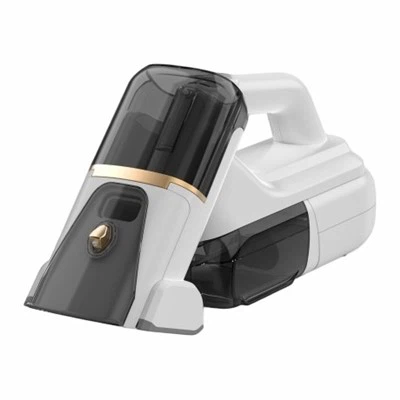
If you’re in the market for a steam cleaner, whether you’re a homeowner looking for a machine for occasional deep cleans or a business owner needing a workhorse for daily use, we can help. We’ll walk you through the different models, talk about how your usage habits will impact lifespan, and make sure you get a machine that fits your needs and budget. Whether you’re replacing an old unit or buying your first steam cleaner, we’re here to answer all your questions. Reach out to us to discuss your specific needs, and we’ll help you find the right solution for your home or business.
Carpet and Upholstery Cleaner Machine References
Consumer Reports. (2022). Best Steam Cleaners for Every Use. Consumer Reports.
Steam Cleaner Manufacturers Association. (2021). Commercial Steam Cleaner Durability Standards.
Home Equipment Maintenance Journal. (2023). Extending the Lifespan of Small Cleaning Appliances.
Occupational Safety and Health Administration. (2020). Commercial Cleaning Equipment Maintenance Guidelines.
Ningbo MLE Electrical Appliance Co., Ltd.
Ningbo MLE Electrical Appliance Co., Ltd. is one of the most reliable steam cleaner manufacturers and suppliers in China, also supports customized service. Welcome to buy advanced steam cleaner made in China here and get pricelist from our factory. Quality products and reasonable price are available.
Address: 921 Room, Jinsejiangnan Building, Zhonghe Street, Yinzhou District, Ningbo, Zhejiang, China.
E-mail: Eileen@nbmle.cn
WebSite: https://www.cleaningappliance.com/
