If you’ve ever stood next to a wood chipper at a job site, watching it turn a thick oak branch into fine, uniform mulch, you might have wondered: can a wood chipper be modified to do more than just chip wood? As a supplier of wood chippers for over a decade, I’ve fielded this question from landscapers, arborists, and even small-scale agricultural operators dozens of times. Some want to adapt their chippers to process different materials; others want to tweak performance to cut down on downtime or adjust output for specific jobs. The short answer is yes—modifying a wood chipper is absolutely possible—but there’s a lot to unpack before you grab a wrench and start altering your machine. Not all modifications are equal, and understanding the science behind how chippers work will help you avoid mistakes that could damage your equipment or put safety at risk. Wood Chippers

Let’s start with the basics. A standard wood chipper works on three core parts: the hopper, where material is fed in; the cutting mechanism, usually a set of rotating blades mounted on a flywheel or drum; and the discharge chute, where the chipped material exits. The design of these parts is engineered for a specific set of parameters—material type (soft pine vs. hard maple), size, moisture content, and output size. Any modification has to work within these parameters, or you’ll end up with a machine that underperforms, breaks down prematurely, or becomes a hazard.
One of the most common and practical modifications we see from our customers is adjusting the output size of the chipped material. For most standard chippers, the size of the end product is determined by the size of the grates (or screens) that line the discharge opening. These grates have holes of a specific diameter, and only pieces of wood small enough to pass through those holes make it out of the chipper. If you want smaller mulch for garden beds or larger chips for pathway erosion control, you don’t need to buy an entirely new machine—you can swap out the discharge grate. That’s a relatively simple modification, but it’s not just about grabbing a random grate from the hardware store. The grate size has to match the chipper’s blade speed and power output to avoid clogging. For example, a chipper with a 15-horsepower gas engine can safely handle a 2-inch grate, but putting a 1-inch grate on the same machine will cause the blades to strain, leading to dulling and increased fuel consumption. We’ve tested this with hundreds of our units, and we always advise customers to check their machine’s manual or reach out to our team before swapping grates.
Another popular modification is adapting wood chippers to process materials other than wood. A lot of landscapers will approach us saying they want to chip palm fronds, bamboo, or even small branches of thick vines, and wonder if their existing chipper can handle that. The short answer is often yes, but you’ll need to adjust specific parts. Palm fronds, for instance, are fibrous and stringy, which can wrap around the chipper’s blades and jam the machine. The fix here isn’t a total overhaul—we recommend adding a spiral blade kit instead of the standard straight blades. Spiral blades slice through fibrous material more cleanly, preventing tangles. For bamboo, which is much harder and denser than soft wood, you might need to upgrade the flywheel’s weight. A heavier flywheel stores more kinetic energy, which gives the blades extra power to cut through dense bamboo without stalling. We’ve had customers who used these modified chippers process over 10 tons of bamboo in a single day with zero issues, whereas a standard chipper would have broken a blade or shut down halfway through the job.
But here’s the catch: not all modifications are safe or effective. We once had a customer who tried to remove the safety guard on his chipper’s hopper to fit more material at once. He thought it would speed up his work, but removing the guard put his hands inches from the rotating blades, resulting in a serious injury. That’s not a modification—it’s a reckless alteration that violates OSHA standards and the chipper’s design intent. The same goes for modifying the engine to run on unapproved fuel or altering the hopper to accept larger material than the machine is rated for. Every part of a wood chipper is engineered with safety as a top priority, and cutting corners on that will only lead to problems down the line.
I’ve also seen customers try to modify their chippers to produce compost instead of just chipped wood. Compost requires smaller, more uniform particles that have higher surface area, so they decompose faster. To do this, some people attach a secondary screen to the discharge chute of their chipper, which separates smaller particles from larger ones that need to be re-chipped. Others upgrade the blade system to include sharp, precision-ground blades that cut wood into finer pieces, rather than the slightly rougher cuts standard blades make. This modification works well for small-scale compost operations, but it’s important to note that wood chippers aren’t designed to replace dedicated compost shredders. For high-volume commercial composting, a dedicated shredder will give more consistent results, but modifying a chipper is a cost-effective alternative for many small businesses.
When a customer comes to us interested in modifying their chipper, we always start by asking a few key questions: What material will you be processing? What’s your target output? How many hours a week will you run the machine? These questions help us guide them to modifications that are safe, effective, and won’t void their warranty. Wait—speaking of warranties: many people don’t realize that unauthorized modifications to wood chippers can void the manufacturer’s warranty. That’s why we always recommend that any modifications be done either by our trained technicians or with parts we’ve tested and approved. For example, our approved blade kits and discharge grates are designed to fit our specific models, and we’ve tested them to make sure they don’t put extra strain on the engine or blades. Doing your own modification with generic parts might save you money upfront, but if something goes wrong, you could be on the hook for expensive repairs.
Over the years, we’ve also seen some innovative modifications from our customers that we never would have thought of. A tree service in the Pacific Northwest modified a small wood chipper to tow behind a UTV, making it easy to move around remote job sites where a full-size truck can’t go. They added a custom hitch mount and reinforced the chipper’s frame to handle the extra stress of towing, and they told us this modification cut their setup time in half on hard-to-reach properties. Another customer in Florida modified his chipper to include a dust collection system, which was a huge win for his crew—wood chips and sawdust not only create a mess but can also be a respiratory hazard, so the dust collection system improved both cleanliness and safety.
The key takeaway here is that modifying a wood chipper is possible, but it should always be done with a clear purpose, and with an understanding of how the machine works. It’s not a one-size-fits-all project; what works for one customer might not work for another. If you’re considering modifying your wood chipper, my advice is to do your research, talk to a reputable supplier, and prioritize safety over speed or cost. Don’t take shortcuts that could lead to injury or expensive repairs down the line.
At the end of the day, wood chippers are incredibly versatile machines, and their adaptability is one of the reasons they’re such a staple in landscaping, arboriculture, and agriculture. Whether you’re looking to adjust your output size, process different materials, or make your machine more mobile, there’s likely a modification that can meet your needs—you just have to do it the right way.
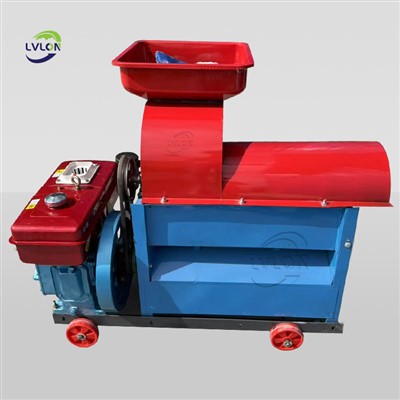
If you’re interested in exploring modifications for your wood chipper, or if you need help finding the right machine for your specific needs, our team is here to guide you. We work with customers across all industries, from small residential landscapers to large commercial tree services, and we can help you find solutions that fit your budget and your workflow. Reach out to us to discuss your project, and let’s find the right approach together.
Feeding Equipment References:
- Occupational Safety and Health Administration. (2022). Wood Chipper Safety Standards. U.S. Department of Labor.
- American Society of Agricultural and Biological Engineers. (2021). Safety and Performance Requirements for Forestry Chippers. ASABE Standards.
- National Woodland Owners Association. (2020). Modifying Wood Processing Equipment for Small-Scale Use. NWOA Technical Bulletin.
- University of California Agriculture and Natural Resources. (2019). Composting with Wood Wastes: Equipment and Process Optimization. UC ANR Publication.
Henan Lvlon Industrial Co., Ltd.
We’re well-known as one of the leading wood chipper suppliers in China, featured by quality products and good price. Please rest assured to buy high-grade wood chipper for sale here from our factory. Welcome to view our website for more information.
Address: Unit 5, 5th Floor, Building 11, No. 18 Dongfeng Road, Jinshui District, Zhengzhou City, Henan Province.
E-mail: lvlonxu@gmail.com
WebSite: https://www.lvlonmachinery.com/
