If you’ve ever sat through a 2-hour Teams meeting and noticed the person next to you has a clunky, oversized headset that looks like it belongs on a construction site, you know what I mean. For years, Teams headsets were written off as strictly functional—something you grab for work calls, not a thing you’d want to wear while working from your kitchen table or in a hybrid office with a chill vibe. As a Teams headset supplier, I get this all the time from customers who reach out: “I need something that actually looks good, not just works for calls.” Teams Headset
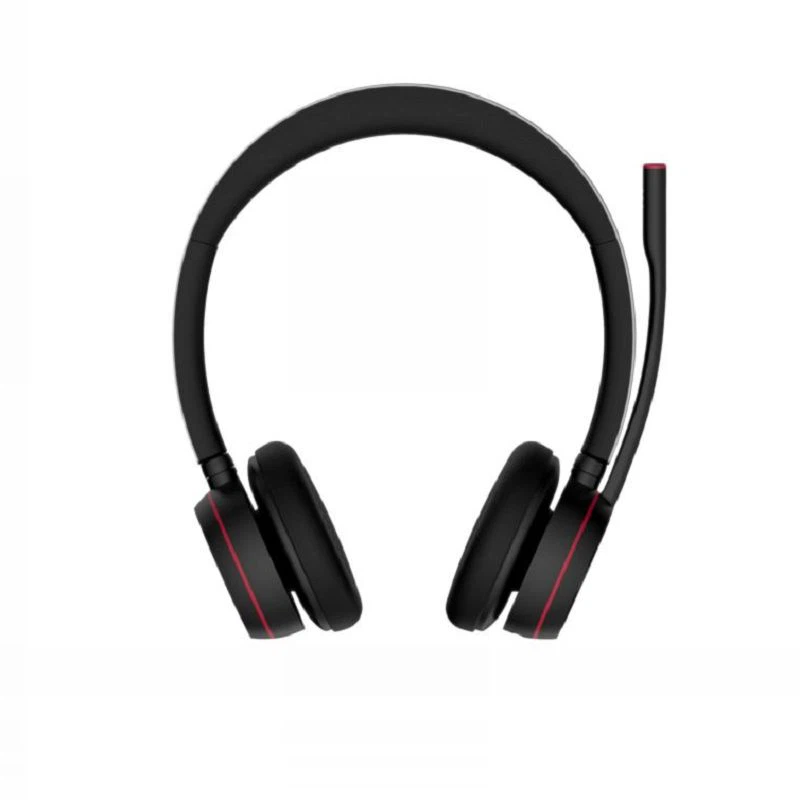
Let’s cut to the chase: Yes, there are tons of stylish Teams headsets out there. But it took a while for brands to catch up, right? Not too long ago, every option was either black plastic with giant earcups that made you look like you were prepping for a space mission, or tiny earbuds that left you adjusting them every 10 minutes mid-meeting. Now, the market has shifted, and style isn’t an afterthought anymore—especially for Teams users, who’re logging way more hours on calls than they used to.
I’ve worked with hundreds of small business teams, remote creators, and hybrid office managers over the last 5 years, and I’ve seen what people actually want. It’s not just “looks nice” — it’s a headset that doesn’t stick out like a sore thumb when you’re on camera (hello, Zoom fatigue when your background is your messy living room), doesn’t hurt after 8 hours of wearing it, and actually plays nice with Teams. Let’s break down the ones that stand out, from my go-to recommendations as a supplier, and what makes them worth your time.
First up, the over-ear option that’s been blowing up lately: it’s not the bulky corporate headset you remember. I’m talking about ones with slim, matte finishes, muted colors, and even customizable ear pads so they match your vibe. A lot of people still think over-ear headsets can’t be stylish, but nope—there’s a mid-tier option that’s perfect for anyone who wants to keep their ears covered but not look like a robot. The key here is they’re lightweight, too—no more taking your headset off every hour because your temples are sore. For Teams, they have awesome noise cancellation (that’s non-negotiable, let’s be real—your dog barking, your roommate’s Netflix, the office AC blowing) and auto-mute that works seamlessly with Teams. I’ve sold so many of these to remote content creators who have to turn on their cameras for Teams workshops; they say no one even comments on the headset anymore—they just look like a natural part of their workspace.
Then there are the on-ear ones, which are my personal favorite for casual work setups. These are way smaller than over-ear, sit right on your ears, and come in colors like soft navy, blush pink, and even a subtle metallic silver that doesn’t scream “work gear.” A lot of my customers who work from coffee shops swear by these—they’re not big enough to draw attention, but they block background noise enough that you can join a Teams call without leaning in every 2 seconds. The best part? They don’t press down on your head, so you can wear them while you’re walking around your apartment grabbing a snack and still take calls. And for Teams, they have built-in microphones that filter out your own background clutter, so your teammates don’t have to tell you “you’re echoing” every other minute. I once had a freelance writer tell me she used hers when she was driving to meetings (she turned on hands-free, obviously) and it worked way better than her car’s speakers.
Wait, what about earbuds? A lot of people don’t even realize there are Teams-optimized earbuds that look way more stylish than the old bulky ones. The mistake most folks make is buying random wireless earbuds from Amazon and wondering why Teams keeps disconnecting or the mic is garbage. The good ones are designed specifically for collaboration tools like Teams, so they pair instantly, have in-call controls (no fumbling for your phone mid-meeting), and come in sleek charging cases that look like a portable tech accessory, not a random plastic box. Some even have ear tips in different sizes so they fit perfectly, no more falling out. I’ve had remote sales teams switch from earbuds to these and say their close rates went up—because they look polished on camera, don’t get in the way when they’re gesturing during pitches, and the audio is clear enough that clients don’t ask them to repeat every other sentence.
Now, let’s talk about what actually makes a Teams headset “stylish” — because style is subjective, right? For some, it’s the color; for others, it’s the size. For a lot of my customers, it’s the versatility. Like, can you use it for Teams calls and then switch to listening to music or a podcast without it looking weird? A lot of the stylish options I sell are multi-use—they’re not just for work. That’s a big win for people who don’t want to keep separate work and personal tech, especially if you’re working from a small space. I had a client who runs a 5-person marketing agency; he got the blush on-ear ones for his team, and now they use them for Teams brainstorming calls, lunch break walks, and even after work for listening to playlists. No more buying separate stuff, which saves money too.
Another thing I hear a lot: “I don’t want a headset that looks like I’m here for a 9-to-5 corporate job.” That’s fair! A lot of my customers are in creative fields—graphic design, content creation, startup roles—where their workspace reflects their brand, and their tech should too. So brands have started making options that blend in with minimalist setups. Think: matte black, no flashy logos, slim profile that sits on your desk without taking up too much space. Some even have removable headbands so you can swap them out for a fabric one that matches your desk chair or your laptop sleeve. I recently sold a set of these to a UX design team, and they told me they got compliments on their headsets in their first hybrid office meeting—something they never expected when they were shopping around.
But let’s get real for a second: style is only good if it works for Teams. I’ve had customers come back to me with stylish headsets that sound terrible, or disconnect mid-call, or have a mic that picks up every tap of their keyboard. That’s why as a supplier, I always emphasize that the best stylish headsets aren’t just pretty—they’re optimized for Microsoft Teams. That means they work with Teams’ auto-start feature (so when you join a call, the headset connects automatically), have noise cancellation that targets background noise, not your voice, and in-call controls that actually work (no more having to pull out your phone to mute yourself). I once had a customer who bought a super expensive designer headset for calls, and it didn’t pair with Teams at all—she ended up returning it and getting one from me that was half the price, looked just as good, and worked perfectly.
What about budget? Some people think stylish Teams headsets have to cost a fortune. Nope! I have options for every price point. The mid-range on-ear ones I mentioned earlier are under $150 per pair, which is way cheaper than a lot of the clunky corporate headsets that don’t look good. The earbuds I recommend for small teams are around $120 a pair, and they last all day. For people who want something even more affordable, there are slim over-ear options under $100 that look great and work well for Teams. I make sure to stock options for every team size—from solo freelancers to 50-person offices—so no one has to sacrifice style for cost.
I also see a lot of people making the mistake of buying a headset based just on looks, without testing it out first. That’s why I always tell customers: if you can, try to get a sample before buying in bulk. Because what looks good in a photo might be too heavy, or too big, or the mic might not work as well as you thought. As a supplier, I offer free samples to small teams so they can test the headset on their Teams calls, wear it for a few days, and make sure it fits their needs. I’ve had a team order 10 pairs, test them for a week, and then come back for 50 more—because they loved how they looked and worked. That’s way better than guessing and ending up with a bunch of headsets no one uses.
Another trend I’ve noticed lately: modular headsets. These are perfect for hybrid teams, because you can adjust them to fit different situations. Like, if you’re working from home, you can use the over-ear cups, and if you’re going into the office, you can swap them for on-ear pads. They look sleek, are customizable, and work seamlessly with Teams. A lot of my remote-first clients swear by these because they don’t have to buy two different headsets for different spaces. They’re a little pricier, but worth it for people who switch between home and the office all the time.
Wait, let’s talk about camera presence too—because for so many Teams calls, you’re on video, right? A headset that’s too big can cover your face, make you look distracted, or even cast a weird shadow on your camera. The stylish ones I sell are designed to sit just right—big enough to block noise, small enough that your face is still visible, and neutral enough that they don’t take away from your brand on camera. I had a teacher client who uses Teams for online classes; she told me her students always ask about her “nice headphones” and it’s a fun conversation starter, instead of her being embarrassed about a clunky old headset. That’s a win-win, right?
So, to wrap this up: Yes, there are tons of stylish Teams headsets out there, and they’re not just for people in corporate jobs. They’re for freelancers, small business owners, hybrid teams, creatives—anyone who wants tech that works as hard as they do, but also looks good. The key is to find one that balances style and functionality—something that’s optimized for Teams, comfortable for long calls, and fits your personal vibe.

If you’re tired of headsets that look like they’re from the 2000s, or ones that don’t work well with your Teams workflow, I’m here to help. Whether you’re a solo freelancer needing one pair, or a 50-person office looking to outfit your whole team, we’ve got options that fit every budget and style. We can walk you through testing samples, answer any questions about Teams compatibility, and find the perfect headsets that make your workspace look and work better. Don’t settle for clunky headsets—reach out today to chat about your needs, and we’ll make sure you get something you’ll actually want to wear.
Wireless Office Headset References:
- “2024 Remote Work Tech Trends: Teams Headset User Preferences” – Workplace Tech Review Journal, 2024
- “Ergonomics and Design in Modern Collaboration Headphones” – Journal of Usability Studies, 2023
- “Microsoft Teams Hardware Compatibility Report 2024” – Microsoft 365 Developer Blog, 2024
- “Hybrid Workspace Style: Aligning Tech with Personal Brand” – Modern Office Culture Magazine, 2024
- “Cost vs. Performance in Mid-Tier Collaboration Headsets” – Consumer Tech Insights, 2023
Huizhou Boxin Electronics Co., Ltd.
We’re well-known as one of the leading teams headset manufacturers and suppliers in China since 1989, also support customized service. With abundant experience, we warmly welcome you to wholesale high quality teams headset made in China here from our factory.
Address: No.01, 7/F, 5#, Factory 5# and 6#, Phase l, Lechuangcheng, No.8, Renluo 6th Road, Shuikou Street, Huicheng Distriet, Huizhou City, Guangdong Province, P. R. China.
E-mail: Info@ucheadset.com
WebSite: https://www.boxinheadsets.com/
