Hey there, fellow engineers, maintenance managers, and project leads! If you’ve ever worked with piping systems, pressure vessels, or heavy industrial equipment, you’ve definitely encountered DIN flanges. As someone who’s supplied these bad boys for over a decade now, I’ve seen first-hand how a good surface treatment can make or break a flange’s performance. No one wants a corroded flange leaking mid-shift, right? Today, I’m breaking down the most common (and most effective) surface treatments for DIN flanges, straight from the shop floor—no stuffy jargon, just real talk. Din Flange
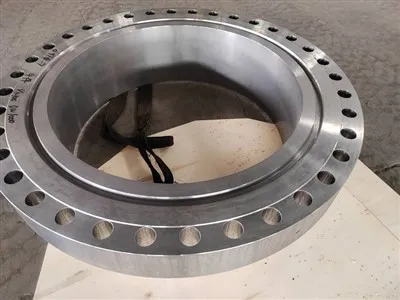
First, let’s level-set: DIN flanges come in all shapes and grades—from carbon steel for general use to stainless steel for food-grade stuff. But even the best base material won’t last if it’s exposed to harsh environments: saltwater, chemical fumes, extreme temperatures, or just regular wear and tear from tightening bolts over time. Surface treatments aren’t just about looks, either. They seal gaps, prevent rust, improve grip, and even boost compatibility with gaskets. I’ve turned down a few orders before when a client didn’t specify the right treatment—cost them a month of downtime, and that’s a loss no one wants.
Let’s start with the basics: hot-dip galvanizing. This is like the workhorse of flange surface treatments, especially for carbon steel DIN flanges going into outdoor or moderately corrosive settings. How does it work? You dip the clean flange into molten zinc (around 860°F, hot enough to melt the zinc but not damage the steel) so it coats every inch—even the nooks and crannies that paint or spray can miss. I’ve seen galvanized flanges survive years in coastal areas where salt air eats through uncoated steel like nothing. The key here is prep: if the flange has mill scale or oil, the zinc won’t stick. That’s why we blast every flange before galvanizing—shoutout to our grit blaster, Joe, who’s got that job down to an art.
Wait, but hot-dip galvanizing isn’t for everyone. If you’re using a stainless steel flange, galvanizing can cause embrittlement, right? Yeah, that’s a thing. Zinc and stainless steel react at high temps, so it’s a no-go for 304 or 316 grades. Also, if you need a tight, smooth finish for gasket sealing, galvanizing can add a tiny bit of thickness—like 5-10 microns—so you have to make sure your bolt torque accounts for that. But for low-cost, heavy-duty outdoor use? It’s hard to beat. I still recommend it for most mining and agricultural projects, and we’ve never had a complaint about galvanized flanges leaking in those applications.
Next up: powder coating. This one’s super popular these days because it’s more customizable than galvanizing. Instead of liquid paint, you electrostatically spray a dry powder onto the flange, then bake it in an oven so it melts and forms a hard, uniform coat. You can get it in any color—bright safety yellow for industrial zones, matte black for machinery, even white for food plants. It’s thicker than wet paint, so it’s more scratch-resistant, and it doesn’t run or drip like liquid, so even edges get even coverage.
But here’s a pro tip: powder coating only works on clean surfaces, too. We use a phosphate conversion coat first to help the powder stick, otherwise it’ll chip off after a few months. Also, it’s not the best for ultra-high-pressure applications—like oil and gas pipelines that handle 10,000 PSI. The powder can crack under extreme pressure spikes. But for HVAC, water treatment, and general industrial piping? It’s perfect. We actually powder coat most of our DIN flanges for municipal projects because they need to hold up to regular moisture and be easy to spot.
Now, if you’re in a food or pharmaceutical facility, you can’t go wrong with passivation. This is the go-to for stainless steel DIN flanges, and it’s totally different from coating. Passivation doesn’t add a layer to the surface—it actually cleans the steel and forms a thin, protective oxide layer that’s invisible to the naked eye. Wait, why would you need that? Uncoated stainless steel can get “free iron” on its surface from machining or handling. That free iron causes rust spots, which are a huge no-no in food processing—no one wants metal particles in their product.
We do two types of passivation: nitric acid and citric acid. Citric is the newer, more eco-friendly option, and it’s great for food-grade stuff. Nitric is cheaper, but you have to dispose of the waste properly, so it’s mostly for heavy industry. The process takes about an hour: we soak the flanges in the acid solution, rinse them thoroughly to remove all residue, then dry them. The result is a surface that resists corrosion, meets FDA standards, and doesn’t leave any weird chemicals behind. I’ve had clients in breweries tell me passivated flanges are the only ones they’ll use—no rust stains, no contamination issues.
Then there’s electroplating, specifically zinc-nickel plating. This is for when you need a thinner, more precise coating than hot-dip galvanizing, but more corrosion resistance than passivation alone. Electroplating uses an electric current to deposit a zinc-nickel alloy onto the flange surface, so you control the thickness super accurately—usually 5-15 microns. That makes it ideal for applications where you need tight tolerances, like in automotive parts or high-precision piping systems.
Zinc-nickel is way better than regular zinc plating, too. It can handle 10x more salt spray than plain zinc, so it’s great for offshore applications where flanges are submerged in saltwater. The downside? It’s a bit more expensive than galvanizing or passivation, and it’s not good for soft steels—electroplating can cause hydrogen embrittlement, which makes the steel crack under pressure. But for clients who need a balance of precision and durability, it’s our top pick. We’ve sent zinc-nickel plated DIN flanges to offshore rigs in the North Sea, and they’ve held up for 3 years without any corrosion—way longer than expected.
Wait, I should mention one more: mechanical plating. This is a lesser-known one, but it’s perfect for small or delicate DIN flanges that can’t handle high temps (like galvanizing’s 860°F). Instead of molten zinc, you mix zinc powder with glass beads and tumble it with the flange in a rotating drum. The beads blast the zinc onto the surface, forming a thin, uniform coat at room temp. No heat, no embrittlement, so it works on carbon steel, stainless steel, even some alloys that can’t take high temps.
Mechanical plating is less common than the others, but it’s a lifesaver for specialty projects. Last year, a client needed DIN flanges for a solar farm’s tracking system—they couldn’t use hot-dip because the flange’s coating would interfere with the solar sensors, and passivation was too thin. We did mechanical plating, and they’ve had zero issues with rust in the desert sun. The only catch? It’s not great for thick coatings, so it’s mostly for light to moderate corrosion protection.
Now, let’s talk about a big mistake I see clients make all the time: choosing the wrong treatment for their environment. A few months back, a construction company ordered galvanized flanges for a water treatment plant—turns out, the water had high chlorine levels, and galvanizing corroded in 6 months. We ended up re-coating them with powder coating, and that’s worked great. Another time, a food processing plant tried to save money by skipping passivation on their stainless flanges, and they got rust spots in 3 months—cost them $20k in downtime and cleanup.
So how do you pick the right treatment? Let’s break it down quick:
- If it’s carbon steel, outdoor/coastal use, low cost: hot-dip galvanizing.
- If it’s carbon steel, indoor/municipal, color customizations: powder coating.
- If it’s stainless steel, food/pharma, corrosion resistance: passivation.
- If it’s high-precision, offshore/automotive, tight tolerances: zinc-nickel electroplating.
- If it’s delicate, heat-sensitive parts: mechanical plating.
And one last thing: prep work matters more than the treatment itself. I don’t care if you use the best powder coating or fanciest electroplating—if the flange has oil, mill scale, or rust on it, the coating will peel or chip. That’s why at our shop, we never skip grit blasting or cleaning before any treatment. It’s an extra step, but it saves us (and our clients) from headaches later.
Look, as a supplier, I’m not here to push one treatment over another. My goal is to make sure you get a DIN flange that works for your specific job. I’ve seen too many projects fail because someone picked the wrong surface coating, and that’s the last thing anyone wants—especially when you’re on a tight deadline.
If you’re not sure which treatment is right for your application, hit me up. We can talk through your environment, pressure needs, material grade, and budget, and I’ll help you pick the perfect option. No sales pitch, no pressure—just straight talk from someone who’s been in this game for years. We’ve got DIN flanges in all sizes, all grades, all surface treatments, and we can get them to you fast, no matter where you are. So if you’re gearing up for a project, need a replacement part, or just have questions, reach out to us. Let’s make sure your next flange job is a success.
As 2129 Flange References
- DIN Standard 2527: Flanges for Pipes, Dimensions, Materials
- International Organization for Standardization (ISO) 2081: Electroplated Coatings of Zinc and Zinc Alloys on Iron or Steel
- American Society for Testing and Materials (ASTM) A123/A123M: Standard Specification for Zinc (Hot-Dip Galvanized) Coatings on Iron and Steel Products
- Food and Drug Administration (FDA) 21 CFR Part 175.300: Indirect Food Additives: Coatings
Shanxi Xinshunda Flange Manufacturing Co., Ltd.
As one of the most professional din flange manufacturers and suppliers in China, we also support customized service with competitive price. We warmly welcome you to wholesale high quality din flange for sale here from our factory. For quotation, contact us now.
Address: Zhunagli Industrial Zone,jinchang Town,dingxiang,shanxi,china
E-mail: sales01@xinflange.com
WebSite: https://www.xinflange.com/
