If you’ve ever stood in front of your indoor AC unit, waving a hand in front of the vents and wondering where all the cool air went, you’re not alone. I run an AC supply company, and every week I get at least a dozen calls from customers saying the same thing: “My AC isn’t blowing enough air—what’s wrong?” It’s a problem that sounds simple on the surface, but it’s often tied to small, avoidable issues, a lack of regular maintenance, or even parts that wear out faster than people realize. Over the 12 years I’ve been in this business, I’ve diagnosed just about every scenario, and most of the time, the fix isn’t as complicated as it seems. Let’s break down the most common reasons your AC is underperforming, and what you can do to fix it. AC

First, and probably the most frequent culprit, is a dirty air filter. This is such a simple part to check, but so many people skip it. I can’t tell you how many times I’ve showed up to a customer’s home, pried open their air handler, and found a filter so caked with dust, pollen, and pet dander that you could barely see through it. That filter is meant to catch those particles before they get into your AC system, but when it’s clogged, it acts like a blockage in a straw. Air can’t flow through it, so even if your compressor is running at full power, there’s nowhere for the cool air to go. Some filters are designed to last 90 days, but if you have pets, live in a dusty area, or run your AC nonstop in the summer, you might need to change it every 30 to 45 days. Last month, a homeowner in Phoenix called me because their bedroom was 10 degrees hotter than the rest of the house. I went over, checked the filter, and it was 6 weeks old—completely blocked. They swapped it out themselves that afternoon, and by the next morning, their air flow was back to normal. It’s a tiny step that makes a huge difference, and it’s usually the first thing I tell customers to check before anything else.
Next up, blocked or closed vents. I see this all the time in homes where people rearrange furniture, or even close off rooms they don’t use to save energy. A lot of people think closing a vent in a guest room or home office will push more air to the living room, but that’s not how it works. Your AC system is sized to move a specific amount of air through all the vents in your home. If you close a few, the pressure in the ducts builds up, and it can damage your system over time, plus it restricts the air flow coming out of the other vents. I once had a customer who closed half the vents in their 3-bedroom house because they thought it would lower their electric bill. Three months later, their AC was blowing so weakly that their utility company sent a technician, who told them their system was working harder than it should and recommended opening all vents. Once they did that, their air flow improved by almost 40%. Another common issue here is blocked vents from rugs, curtains, or even toys. If a vent is covered by a thick rug or a long curtain, the air can’t escape, so it feels like there’s not enough blowing. A quick check around each room to make sure vents are clear is another easy fix.
Then there’s the problem with the evaporator coil. This part is inside your air handler, and it’s responsible for absorbing heat from the air passing over it. Over time, that same dust and pollen that clogs your air filter can settle on the evaporator coil, creating a layer of grime that insulates the coil. Instead of absorbing heat efficiently, it acts like a barrier, so your AC has to work longer to cool the air, and air flow drops because the coil is partially blocked. Cleaning an evaporator coil isn’t something most homeowners can do on their own—you have to turn off the power to the unit, remove the access panel, and use a mild coil cleaner to get rid of the buildup. If you’re not comfortable doing that, a technician can do it for you in about an hour. I always recommend having this done once a year as part of a regular maintenance check, especially if you live in an area with high humidity, which can lead to more moisture buildup on the coil and faster grime accumulation.
Duct issues are another big reason for low air flow, and this one can be a little trickier to spot. If your ducts are old, they might have developed leaks, especially in the areas where they run through attics, basements, or crawl spaces. A lot of older homes have ducts that are not properly sealed, so instead of blowing air into your living rooms, they’re leaking cool air right into the walls or ceiling. According to the EPA, up to 20 to 30% of the air that moves through ducts is lost to leaks, holes, or poor connections. I worked on a house in Dallas a few years ago where the ducts had been installed in an unfinished attic without any insulation, so the cool air was heating up before it even reached the vents. Once we sealed the leaks and added insulation to the ducts, the customer’s air flow doubled, and their electric bill went down by 18%. If you suspect duct issues, the best way to check is to hold your hand near the vents when the AC is running—if you don’t feel strong air, or if you feel air coming from places it shouldn’t (like the attic), that’s a sign of leaks. You might also notice uneven cooling throughout your home, which is a common side effect of bad ducts.
Another less common but still possible issue is a faulty blower motor or fan. The blower motor is what pushes air through your ducts, and if it’s worn out or failing, it won’t spin fast enough to move air properly. Sometimes, the fan belt (for older AC units) can become loose or cracked, which also reduces air flow. If your AC is making a strange noise—like a squeal, grind, or whine—that’s often a sign of a problem with the blower motor. In some cases, a bad capacitor might be the issue. The capacitor is like a battery that gives the blower motor the boost it needs to start. If the capacitor is weak, the motor won’t run at full power, leading to low air flow. This is a part that can be replaced, and it’s usually a pretty affordable fix, but it’s important to have a certified technician check it out—working with electrical parts can be dangerous if you don’t know what you’re doing.
I also want to mention something that many customers overlook: the size of your AC unit. Sometimes, the problem isn’t with the unit itself being broken—it’s just too small for your home. If you bought an AC unit that’s sized for a house that’s 500 square feet smaller than yours, it will never be able to blow enough cool air to keep up, especially on hot days. A lot of people think bigger is better, but actually, an oversize unit is just as bad—it will cool your home too fast, cycle on and off frequently, and never remove enough humidity, leaving you feeling sticky even if the air feels cool. The right size is determined by factors like your home’s square footage, insulation, number of windows, and how much shade your home gets. That’s why I always recommend working with a supplier who can do a load calculation to find the right size unit for your space. If you’ve had the same AC for more than 15 years, it might be time to upgrade to a higher-efficiency unit that moves air more effectively, even on the hottest days.
There are also a few easy, quick checks you can do on your own before calling a technician. First, turn your thermostat to “fan on” instead of “auto.” If you set it to auto, the fan only runs when the AC is cooling, but if you set it to on, the fan runs 24/7, which can help circulate air throughout your home. Just don’t do this if you’re worried about energy costs—you might see a slight increase, but it’s a good way to test if low air flow is due to the fan not running at all. Second, check your circuit breaker. Sometimes, a tripped breaker can make the blower motor run at half power, which feels like low air flow. A quick flip of the breaker might fix the problem right away. Third, make sure your thermostat is set to cool and the temperature is at least a few degrees lower than the current room temperature. If it’s set to the same temperature as the room, the AC won’t turn on at all, and you’ll feel like there’s no air blowing.
Over the years, I’ve learned that most AC problems are preventable with regular maintenance. A lot of customers wait until their AC stops blowing enough air to call me, but if you do a little upkeep every year, you can avoid most of these issues. Changing the filter every 30 to 90 days, keeping vents clear, and getting a professional tune-up once a year can save you money on repairs, lower your energy bill, and make your AC work better for longer. If you’re still having trouble figuring out why your AC isn’t blowing enough air, or if you think it’s time to upgrade your unit, feel free to reach out. We’re here to help you troubleshoot, find the right parts, or recommend the best AC solutions for your home or business.
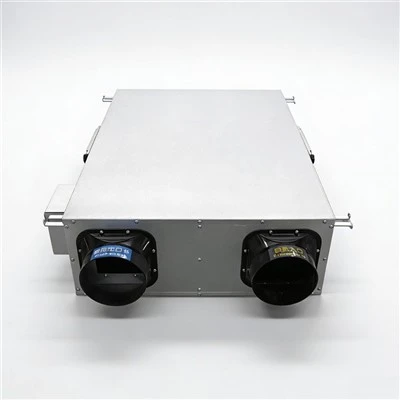
When you’re dealing with a poorly performing AC, it’s easy to get frustrated—especially during a heatwave. But taking the time to check these simple issues can save you a lot of time and money. I’ve seen customers go from sweating through the summer to enjoying cool, consistent air just by changing a filter or opening a few vents. If none of these fixes work, don’t hesitate to connect with us for a consultation. We can assess your system, identify the root cause, and get your AC blowing strong again.
AHU References
- U.S. Environmental Protection Agency. (2023). “Air Duct Sealing and Insulation.” Retrieved from EPA.gov
- Air Conditioning Contractors of America. (2022). “Residential AC Maintenance Best Practices.”
- Department of Energy. (2023). “Heating and Cooling System Sizing: What You Need to Know.”
- Consumer Reports. (2024). “Common AC Problems and How to Fix Them Yourself.”
- North American Technician Excellence. (2023). “Evaporator Coil Maintenance Guidelines.”
Shandong Kasuo Air Conditioning Equipment Co., Ltd.
Shandong Kasuo Air Conditioning Equipment Co., Ltd. is one of the most professional ac manufacturers and suppliers in China, featured by quality products and good price. Please rest assured to wholesale high-grade ac for sale here from our factory. We also accept customized orders.
Address: Luquantun Industrial Park, Wucheng District, Dezhou City, Shandong Province
E-mail: ksair@kasuoac.com
WebSite: https://www.kasuoac.com/
