When I first started my CNC turning service shop over a decade ago, a client walked in with a simple question that would shape how we approach our work with some of the most common industrial materials: “Can CNC turning services work with stainless steel?” Back then, I’ll admit, the answer felt a little murky. Stainless steel is famous for its toughness, its resistance to corrosion, its long lifespan—qualities that make it ideal for everything from medical equipment to food processing parts. But those same qualities also make it a nightmare for machining if you don’t know what you’re doing. Over the years, we’ve refined our process, worked through countless trial runs, and learned exactly how to make CNC turning services work reliably and effectively with stainless steel. If you’re in the manufacturing world, this question isn’t just a passing curiosity—it’s the difference between parts that hold up over decades and parts that fail mid-production. CNC Turning Service
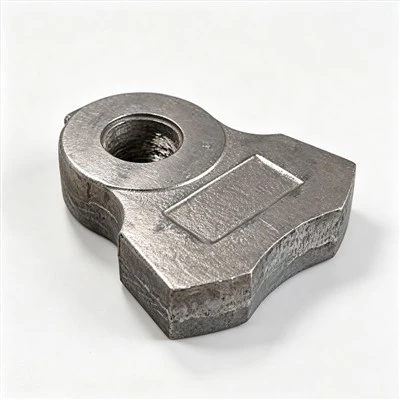
First, let’s get one thing straight: Stainless steel is not a single material. There are hundreds of grades, each with a unique composition that changes how it behaves during turning. The most common ones we work with at our shop are 304 and 316 stainless steel—grades you’ll recognize from everything from kitchen appliances to surgical tools. 304 is the workhorse, with 18% chromium and 8% nickel, making it versatile for general industrial use. 316 adds molybdenum, which gives it superior corrosion resistance, perfect for parts that will be exposed to saltwater or harsh chemicals. Then there are the harder grades, like 416 and 440, which are free-machining stainless steels, and even the precipitation-hardening grades like 17-4 PH, which can be hardened after turning for extra strength. Each grade requires a different approach, which is why a one-size-fits-all CNC turning service will struggle with stainless steel.
The biggest challenge with machining stainless steel is its tendency to work harden. When you cut into the material, the friction between the cutting tool and the workpiece generates extreme heat. Instead of melting or deforming cleanly like aluminum, stainless steel’s molecular structure shifts, becoming harder and more brittle right at the cut surface. This makes the next cut even harder, leading to tool wear, rough edges, or even parts that are out of tolerance. Early on, we lost a lot of tools to this problem. We’d set a feed rate or spindle speed that worked for aluminum, and halfway through a run, the tool would be dulled beyond repair, leaving us with a pile of scrap parts and a frustrated client. That’s when we learned to adjust our parameters specifically for stainless steel. Spindle speed matters more than you might think. Too slow, and the heat builds up too quickly; too fast, and the tool can’t remove material efficiently, leading to even more friction. We’ve found that for most austenitic stainless steels (304, 316), a spindle speed of around 300 to 600 RPM is a good starting point, though we tweak it based on the part size and tool material. Feed rate is equally important—too high, and you risk chattering (that annoying vibration that leaves uneven marks on the part), too low, and you’re encouraging work hardening. We typically run a feed rate of 0.1 to 0.2 mm per revolution for rough cuts, and half that for finishing cuts.
Tool selection is another make-or-break factor. Most hobbyist or even small CNC shops use high-speed steel (HSS) tools, but those just don’t hold up to stainless steel’s heat. We switched to carbide tools with titanium nitride (TiN) coatings early on, and that single change cut our tool wear by more than half. For the harder grades like 440, we even use carbide tools with aluminum titanium nitride (AlTiN) coatings, which can withstand temperatures up to 1,200 degrees Celsius—way more than TiN. The geometry of the tool’s cutting edge matters too. Tools with a positive rake angle help reduce cutting force and heat, while a sharp cutting edge prevents the material from tearing instead of cutting cleanly. We also make sure to use rigid tool holders; if the tool wiggles even a little, that’s enough to cause work hardening or chatter in stainless steel.
Coolant is non-negotiable when working with stainless steel. I’ve seen shops try to run dry, and they end up with parts that have heat-affected zones—areas where the material’s properties change, making it weak or prone to corrosion. We use a high-pressure, synthetic coolant specifically formulated for stainless steel machining. It does two key things: it reduces friction between the tool and workpiece, preventing work hardening, and it flushes away the metal chips so they don’t get re-cut into the part. The right chip evacuation is important too. Stainless steel produces long, stringy chips that can wrap around the tool or the workpiece, causing scratches or tool breakage. We use chip breakers on our tools and adjust our feed rates to shorten the chips into small, manageable pieces that get flushed away by the coolant.
Another thing we’ve learned is how to approach different part geometries. Simple cylindrical parts, like shafts or bolts, are relatively straightforward. But complex parts with grooves, threads, or internal diameters add extra challenges. For internal turning, for example, the tool is longer and more flexible, so chatter is a bigger risk. We adjust our spindle speed and feed rate slightly for these parts, and sometimes use a more rigid tool holder to minimize vibration. Threading stainless steel is another area that requires care. We use taps and dies made of solid carbide, and run at slower speeds to prevent the threads from being distorted or the tap from breaking. We also often do a mild anneal on the workpiece before threading, which softens the surface layer just enough to make the cut cleaner without affecting the part’s overall strength.
Now, you might be wondering: If stainless steel is so tricky, why not just use a different material? The answer is simple: it’s the best material for so many applications. Medical parts can’t corrode inside the human body. Food processing parts need to resist cleaning chemicals and won’t leach into food. Aerospace parts need strength and resistance to extreme temperatures. Stainless steel is the only material that checks all those boxes. That’s why our CNC turning services focus on stainless steel as a core offering—we’ve invested in the equipment, the expertise, and the processes to make it work reliably.
Over the years, we’ve worked on parts for some big names and small startups alike. A few months back, we machined 316 stainless steel valves for a company that makes desalination equipment—parts that have to withstand constant exposure to saltwater. We ran the parts in small batches, tested each one for corrosion resistance, and delivered them on time. Another recent project was custom 17-4 PH stainless steel shafts for a robotics company, where the parts needed to be strong enough to handle heavy loads, but smooth enough to move without friction. We turned the shafts, then did a precipitation hardening process to achieve the final strength, and the client reported they’ve held up perfectly in testing.
Of course, there are still challenges. Last year, we took on a job with a custom stainless steel grade that had a higher chromium content than what we usually work with. The material was much harder, and our initial tooling didn’t hold up. Instead of turning down the job, we worked with our tool supplier to get specialized carbide tools for the grade, adjusted our coolant flow, and reworked the cutting parameters. It took a couple of test runs, but we delivered the parts without delay. That’s the kind of problem-solving that comes with experience—you can’t just follow a generic set of instructions; you have to adapt to the material and the part.
If you’re in the market for a CNC turning service to work with stainless steel, there are a few things you should look for. First, ask about their experience with different stainless steel grades. A shop that only works with aluminum probably won’t have the expertise. Second, ask about their tooling and coolant setup. Do they use coated carbide tools, high-pressure coolant? Third, ask about their process for preventing work hardening and chip evacuation. Those are the details that separate a shop that can make a part and a shop that can make a part right, every time.
At the end of the day, CNC turning services can absolutely work with stainless steel—but it’s not just a matter of having a CNC lathe. It’s about understanding the material, choosing the right tools and parameters, and being willing to adjust when a job doesn’t go as planned. We’ve spent years refining our approach, and now we can consistently deliver high-quality stainless steel parts for everything from medical devices to industrial machinery.

If you have a project that requires stainless steel turned parts, or even if you’re just testing the waters with a prototype, we’re here to help. Our team can walk you through material selection, part design for manufacturability, and ensure your parts meet all the required specifications. Don’t hesitate to reach out to start a conversation about your needs.
CNC Milling Service References:
- DeVries, W. R. (2018). Metal Cutting Principles. Springer.
- Kalpakjian, S., & Schmid, S. R. (2020). Manufacturing Processes for Engineering Materials. Pearson.
- ASM International. (2019). Stainless Steels: Processing and Applications. ASM Handbook.
- Shaw, M. C. (2005). Metal Cutting Principles. Oxford University Press.
- Bambach, M. (2021). Machining of Titanium Alloys and Stainless Steels. Elsevier.
Ningbo Yirui Machinery Manufacturing Co., Ltd.
As one of the most professional cnc turning products manufacturers and suppliers in China, we’re featured by quality products and good price. Please rest assured to wholesale durable cnc turning products made in China here from our factory. Customized orders are welcome.
Address: No.107, Wanzhong Village, Jishigang Town, Haishu District, Ningbo City
E-mail: James.he@yiruitek.com
WebSite: https://www.yiruime.com/
