If you’ve been browsing for gazebo upgrades lately, you’ve probably stumbled across a lot of conflicting advice: some say stick to traditional cedar shingles or asphalt, others swear by metal or polycarbonate roofing sheets for outdoor structures. As a roofing sheet supplier who’s worked with both residential homeowners and backyard designers for 12 years, I get asked this question at least three times a week: Can roofing sheets actually be used for a gazebo? The short answer is yes—but it’s not a one-size-fits-all decision. The right roofing sheet will make your gazebo last longer, cut down on upkeep, and even boost your outdoor living experience, but choosing the wrong one can lead to leaks, warping, or even total failure in extreme weather. Let’s break this down like I would when I sit down with a customer at our trade counter—no industry jargon, just real-world pros, cons, and what works best for your space. Roofing Sheet

First, let’s clear up a common myth: “Roofing sheets” isn’t just one product. When most people say that, they mean three main categories, and each has a totally different use case for a gazebo. There’s corrugated metal, polycarbonate (solid or corrugated), and modular rubber or thermoplastic sheets. I’ve sold all three for gazebos, patios, and even custom backyard cabanas, so I’ve seen every win and every mistake. Let’s start with the most popular: corrugated metal roofing sheets. These are the workhorses of outdoor structures, and for good reason.
Metal sheets are lightweight, easy to install, and insanely durable. When you use 26-gauge or thicker galvanized steel (we sell a range from 24 to 29 gauge) for a gazebo, it can handle hail, heavy rain, snow, and UV rays for 40+ years with minimal maintenance. Wait—maintenance, right? That’s the big downside with metal. If you skip sealing the edges or applying a protective coating every 5 to 10 years, metal can rust, especially in humid climates or near saltwater. I once had a customer in coastal Florida who installed untreated corrugated metal on his gazebo, and within two years, the edges were pitted so bad he had to replace half the sheet. It’s not that metal is bad—it’s that you have to pick the right type for your area. Hot, dry Arizona? Galvanized or aluminum metal sheets are perfect; they don’t rust, and they reflect heat, keeping your gazebo 10 to 15 degrees cooler inside than asphalt shingles. Humid Georgia? Go with pre-painted steel that has a baked-on acrylic coating to prevent rust, and make sure to use stainless steel screws to fasten the sheets—regular steel screws will corrode and loosen over time.
Another pro for metal: installation speed. A standard 10×12 gazebo roof only needs around 12 sheets, and if you have basic DIY skills, you can knock it out in a weekend. I’ve had customers who tried cedar shingles for the same size, and it took them a full week. The corrugated texture also helps water run off fast—no pooling, which is a huge deal for gazebos that get heavy rain. The con? Metal can be loud during a storm. If you’re using your gazebo for outdoor dinners or meditation, that loud drumming on the roof might be a turnoff. We’ve had customers solve that by adding a thin layer of foam insulation under the metal sheets—it cuts the noise by 70% and adds extra heat protection in winter. That’s a trick most big-box stores won’t tell you, but as a supplier who’s on the ground with installers every day, it’s the kind of small tweak that makes a big difference.
Next up: polycarbonate roofing sheets. These are the clear or semi-clear sheets that look like plastic, but way tougher. A lot of people ask about these because they let sunlight filter through, which is great if you want a gazebo that feels open instead of closed off. Polycarbonate comes in two main types: solid and corrugated, and both work for gazebos. The pros here are obvious: they’re UV-resistant, so they won’t yellow or get brittle after a few years, and they’re impact-resistant—studies say polycarbonate is 200 times stronger than glass, so it can handle falling branches or even small hail. It’s also lightweight, so it’s a good pick for older gazebo frames that can’t support heavy asphalt shingles or metal. We sell a lot of these to people who want a sunroom-adjacent gazebo, or one where they can grow plants without direct sunlight on the patio below.
But polycarbonate has its own set of rules. The biggest one is: never use regular glass for a gazebo roof. Glass is heavy, breaks easily, and condensation will drip onto your furniture all summer. Polycarbonate is the only transparent option worth it, but you have to choose the right thickness. For a standard gazebo, 4mm thick polycarbonate works, but if you live in an area with strong winds or heavy snow, go 6mm or thicker. Another con? Polycarbonate can get hot. On a 90-degree day, the space under a clear polycarbonate gazebo can feel 20 degrees warmer than under a fabric canopy. If you want to use it for lounging in the summer, pair it with a retractable shade screen or a layer of insulated polycarbonate that comes in a light tint to block UV rays. We also recommend adding a slight slope to the roof—even a 1/4-inch slope per foot—because polycarbonate can hold water if it’s completely flat, leading to sagging over time. I’ve seen too many customers skip that slope, and within a year, their sheets were warped from standing water.
The third type of roofing sheet we sell for gazebos is modular thermoplastic or rubber sheets, sometimes called “rubber roof sheets” or synthetic slate. These are a newer option, and they’re designed to look like traditional shingles or slate, but with the durability of modern roofing materials. A lot of homeowners like these because they blend in with the main house’s roof, so the gazebo doesn’t look like an afterthought. They’re lightweight, watertight, and they don’t need much maintenance—just a quick rinse once a year to get rid of leaves. The downside? They’re more expensive than metal or polycarbonate, and they require a more solid roof frame to support them, since they’re thicker than corrugated sheets. They’re a great pick if you want a high-end, cohesive look, but for a basic backyard gazebo, they’re usually overkill.
Now, I know what you’re thinking: “Which one is right for me?” Let’s break it down by your specific needs, because that’s what I tell every customer when they walk through our door. If your main goal is durability and low maintenance, go with corrugated metal. If you want natural light and have a lighter frame, polycarbonate is your best bet. If you want a seamless, house-matching look, go with thermoplastic sheets. But wait—there are a few mistakes I see people make over and over when installing roofing sheets on a gazebo, regardless of the material. Let’s talk about those, because even the best sheet will fail if you skip these steps.
First, don’t reuse old roofing material. I’ve had customers bring me old shingles or even scrap metal from a shed, thinking they can repurpose it for a gazebo. Most of the time, those materials are weathered, have hidden rust, or are too thin to handle the elements. Gazebos are exposed on all sides, so their roof takes more abuse than a house roof, which is protected by eaves and other structures. Buy sheets specifically rated for outdoor use—we label all our gazebo-specific sheets for a reason.
Second, fasteners matter. When installing metal sheets, use wide-headed, corrosion-resistant screws with rubber washers. The rubber washer seals the hole so water doesn’t leak in, and the wide head prevents the screw from pulling through the thin sheet. I’ve seen people use regular nails because they’re cheaper, and within a year, the nails have rusted, the hole is open, and the roof leaks. For polycarbonate, use screws that are rated for plastic—metal screws can scratch the sheet or cause cracks when it expands and contracts in temperature changes.
Third, consider the local climate. If you live in a place that gets heavy snow, make sure your sheets can support the weight. Metal and solid polycarbonate can handle 20+ pounds of snow per square foot, which is standard, but thin corrugated plastic sheets can bend. If you live in a rainy area, add a drip edge along the edges of the roof to prevent water from running under the sheets and onto the gazebo’s posts. In windy areas, go with sheets that have been wind-uplift tested—we mark those clearly on our product pages, so you don’t have to guess.
Wait, let’s also address a question I get a lot: “Can I use the same roofing sheets on my gazebo as I use on my house?” In most cases, no. House roofing sheets are designed to last 20 to 30 years, and they’re installed with the slope and structure of a full house in mind. Gazebos are smaller, often have steeper slopes, and are more exposed, so they need sheets that can handle that extra stress. For example, asphalt shingles for a house are too heavy for a typical gazebo frame, and they’ll blow off in a strong wind. That’s why we don’t sell house shingles for gazebos—we have specialized products that are lighter and more flexible.
I want to share a recent example to make this real. Last spring, a customer from Chicago came in looking for a gazebo roof. He had a 12×16 wooden gazebo frame that was 10 years old, and he wanted to use it for summer barbecues. He had tried a fabric canopy the year before, but it tore in a storm. I recommended 26-gauge pre-painted aluminum corrugated sheets. He was worried it would be too loud, so I told him to add a 1/2-inch layer of foam insulation under the sheets, which we also sell as a bulk add-on. He installed it himself in a weekend, and when he came back a month later, he told us it had sounded like a light drizzle during the next storm, no drumming at all. His only regret? He didn’t add the insulation right away. That’s the kind of feedback I live for—helping someone pick the right product for their space, not just selling them the most expensive one.
Another customer, a teacher from Portland, wanted a gazebo where she could teach her students outdoor science classes, so she needed a lot of natural light. I recommended 4mm polycarbonate sheets. She asked if they would get too hot in the summer, so I suggested adding a retractable shade cloth that hooks onto the sides of the gazebo, which is another accessory we carry. She told us later that the kids loved being able to see the sky while staying cool, and the sheets had held up through heavy Pacific Northwest rain and wind for over two years now.
Now, let’s talk about what’s not ideal. I once had a customer who tried to use thin, uncoated metal sheets for a gazebo near the Great Lakes. Within 18 months, the sheets were so rusted they had holes, and he had to replace the whole roof. That’s a common mistake: not accounting for salt air and humidity. If you’re in a coastal area, make sure your metal sheets are aluminum or galvanized with a heavy coating, and that you seal all the seams with a butyl rubber sealant, which we also supply. That prevents rust from seeping in.
So, circling back to the original question: Can roofing sheets be used for a gazebo? Absolutely—when you pick the right type for your climate, frame, and needs. The worst thing you can do is go cheap or use leftover materials, but when you invest in the right sheets, a gazebo roof from us will last as long as the frame, if not longer.
If you’re not sure which product is right for your gazebo, or you need help calculating how many sheets you’ll need, our team is here to help. We can walk you through different options, explain the pros and cons for your area, and even give installation tips to make the process smooth. Whether you’re a DIYer looking to tackle a weekend project, or a contractor working on a custom outdoor space, we can provide the high-quality roofing sheets you need at a fair price.
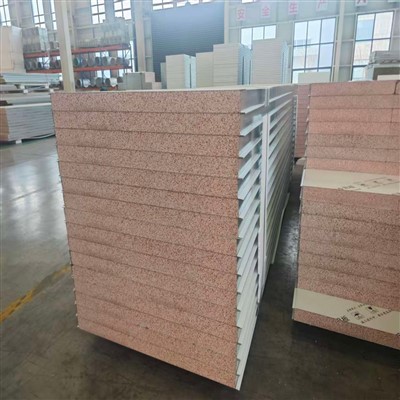
If you’d like to discuss your project in more detail, reach out to our team to coordinate a procurement conversation. We’re here to answer all your questions and help you find the perfect solution for your gazebo.
Aluminum Coil References:
- National Association of Home Builders. (2022). Outdoor Structure Roofing Guide.
- International Code Council. (2021). Wind-Uplift Requirements for Residential Roofing.
- Metal Construction Association. (2023). Corrugated Metal Roofing for Outdoor Structures.
- Polycarbonate Manufacturers Association. (2022). Transparent Roofing for Light and Weather Resistance.
- Asphalt Roofing Manufacturers Association. (2021). Gazebo Roofing Material Best Practices.
Xi’an Dongmeng Group Co., Ltd.
Xi’an Dongmeng Group Co., Ltd. is one of the leading roofing sheet manufacturers and suppliers in China. We warmly welcome you to buy or wholesale cheap roofing sheet in stock here from our factory. All customized products are with high quality and competitive price. For free sample, contact us now.
Address: Room 4107, Runfeng Building, Sanqiao New Street, Weiyang District, Xi’an City, Shaanxi Province
E-mail: office@dongmjd.com
WebSite: https://www.cndmmetal.com/
