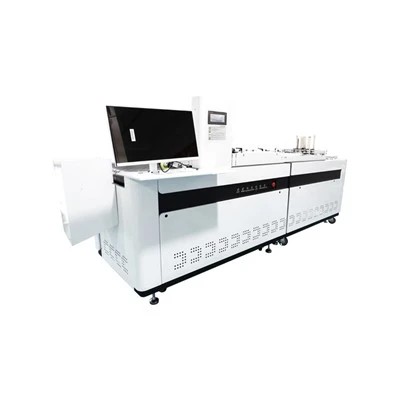
If you’re running a apparel printing business, your printer isn’t just a piece of office equipment—it’s the backbone of every order that leaves your shop. I’ve worked with dozens of apparel print owners over the last decade, and one question I get more than any other is: “How often do I actually need to clean my apparel printer?” It’s easy to fall into two extremes: either cleaning it too rarely and dealing with clogged nozzles, faded prints, and unexpected downtime, or cleaning it too often and wasting time, ink, and money on unnecessary maintenance. Today, I’m breaking down exactly when, why, and how to clean your printer, based on real shop workflows and hard data from the techs who build these machines. Apparel Printer
First, let’s start with the most common mistake I see: ignoring regular maintenance until a problem forces your hand. Last year, I talked to a small business owner in Ohio who runs custom hoodies and tees for local high schools. He put off cleaning his printer for 6 months because he was swamped with back-to-back football orders. By the time he ran his next batch of prints, 12 out of 50 shirts had horizontal streaks and washed out colors. He had to reprint every single one, costing him $1,800 in materials and missing a deadline that cost him the next year’s order from that school. That story isn’t an anomaly. Clogged print heads, dried ink residue, and lint buildup from fabric scraps are the top three causes of apparel printer failures, and all of them are completely preventable with a consistent cleaning schedule.
Now, the frequency of cleaning isn’t one-size-fits-all—it depends on how much you use your printer, what types of fabric you print on, and the kind of ink you run. Let’s break this down by use case, because that’s what actually determines how often you need to show your printer some love.
If you’re a high-volume apparel printer, running 8+ hour days, 5 or more days a week, printing 50+ garments a day on average, you need to clean your printer more frequently. For these shops, daily or every-other-day quick cleans are non-negotiable, plus a deep clean once a week. Why? Because high use means ink is flowing constantly, but even then, small amounts of ink can dry on the nozzle plate between prints, especially when switching between colors or between print runs. Lint from fabric is also a bigger issue here—each garment you print leaves tiny fibers that fall onto the print bed and nozzle area, and if you don’t wipe those away daily, they can get sucked into the print mechanism and cause misalignment or scratches. Last quarter, I worked with a large print shop in Texas that runs 3 printers 6 days a week; switching them from monthly deep cleans to weekly cut their nozzle replacement costs by 35% in 3 months.
The middle ground: if you’re a small to mid-sized shop, printing 10-40 garments a day, 3-5 days a week, your schedule changes a little. For these owners, a quick clean every 2 days and a deep clean every 2 weeks is ideal. I have a customer in Chicago who runs a side hustle that grew into a full-time business doing custom wedding party tees and local band merch; he uses his printer 4 days a week, averaging 25 garments a day. He tried cleaning once a week at first, and for 6 months he had constant nozzle clogs that required a full print head flush every time he had a new order. Once he adjusted to the 2-day quick clean and bi-weekly deep clean, his clogs dropped to zero. The key here is that even if you’re not running non-stop, gaps between runs can let ink dry in the nozzles—if you print for a few hours on Monday, then don’t touch the machine until Thursday, that ink sitting in the small tubes leading to the nozzles starts to thicken.
Then there’s the low-volume or occasional user: if you only print 1-10 garments a week, maybe 1-2 days a week, or you turn your printer off for days or weeks at a time between jobs. For these shops, you don’t need daily cleans, but you do need to stay on top of before-and-print or after-use maintenance. I recommend a full deep clean every month if you’re printing regularly, or a quick prime and nozzle check before every print job if there’s more than 2-3 days between your last print. A common issue for occasional users is that when you let a printer sit unused, the ink in the nozzles can cure slightly (even with water-based or eco-solvent inks) and turn into a hard block that can’t be fixed with a normal clean. I’ve seen owners who printed 10 shirts for a family reunion, then left their printer unused for 3 months, only to find the print head was completely clogged and they had to replace it for $800. So even if you’re not using your printer daily, don’t skip that monthly deep clean.
Now, let’s talk about what “cleaning” actually means—because not all cleaning is equal, and using the wrong method can cause more harm than good. I always tell customers to split maintenance into three tiers: quick cleans, deep cleans, and preventative spot checks, each with their own frequency rules.
Quick cleans are the small, 5-minute tasks you do between jobs or every 1-2 days, depending on your volume. These are non-negotiable for keeping your nozzles clear and your printer running smoothly. For quick cleans, I recommend: first, running the printer’s built-in nozzle check function every other day (or before every job if you go more than 2 days between prints). This tiny test print will show you if any nozzles are clogged, and it only uses a small amount of ink, so it’s not a waste. Second, wiping the print bed and nozzle area with a lint-free cloth and a small amount of isopropyl alcohol (90% or higher—lower concentrations have too much water and can damage rubber seals) to remove lint, ink smudges, and small fabric bits. Avoid using paper towels here, though—they leave tiny fibers that stick to the nozzle plate and cause clogs. I always tell customers to keep a stack of microfiber cloths specifically for printer maintenance; they’re cheap, reusable, and don’t leave residue.
Deep cleans are the more involved, 15-20 minute tasks you do weekly (for high-volume) or every 2 weeks (for mid-volume) or monthly (for low-volume). These are for getting rid of built-up ink that the quick cleans can’t reach. When doing a deep clean, start by removing the print head (follow your machine’s manual exactly—never force it) and using a syringe (with the needle removed, to avoid damaging nozzles) to gently flush the nozzle area with the same type of ink your machine uses or a manufacturer-recommended cleaning solution. Don’t over-flush—too much liquid can get into the printer’s internal parts and cause corrosion. After flushing, use the microfiber cloth to gently wipe the nozzle plate, then reattach the print head and run a full nozzle check to make sure everything is working. For the printer’s interior, use a soft brush (like a small paintbrush with soft bristles) to sweep out fabric lint from the bed and rollers—don’t use compressed air, because it can blow lint and ink further into the machine’s parts.
Preventative spot checks are the small, monthly tasks that catch problems before they become big ones. These include checking the ink levels (running out of ink mid-print is a major cause of clogs, because when the printer pulls air into the tubes, ink can dry), inspecting the rubber seals around the ink cartridges for cracks or dried ink (cracked seals let air in, which dries ink), and checking the print bed for dents or scratches (even a small scratch can leave a mark on your garments). If you’re using water-based ink, you’ll want to add a monthly check of the ink reservoir to make sure it’s not separating—separated ink can cause uneven prints and clogs.
Wait a second—what about different types of apparel printers? I get this question all the time, because the cleaning schedule for a direct-to-garment (DTG) printer is different from a direct-to-film (DTF) printer, which is one of the most popular types right now. DTG printers work by laying ink directly onto the fabric, so they’re more prone to lint buildup and ink drying on the nozzles because the print head is close to the fabric. That means DTG printers might need a quick clean every day if you’re running multiple jobs, even if your volume is mid-sized. DTF printers, on the other hand, use a transfer film, so their print heads don’t get as much lint exposure, but they use pigment inks that dry faster when exposed to air. For DTF printers, I recommend a quick clean every 2 days for high-volume, every 3 days for mid-volume, and a deep clean every 2 weeks—close to DTG, just a little more flexible because of the transfer film setup.
I also need to address a common myth I hear all the time: “cleaning my printer uses too much ink, so I’ll skip it.” It’s true that running a nozzle check or a deep clean uses a small amount of ink—usually 5-10 ml per deep clean, depending on the machine. But compare that to the cost of reprinting bad orders, replacing a clogged print head (which can cost $500-$1,500, depending on the model), or losing a good customer because of a ruined order. For the Ohio shop I mentioned earlier, the $1,800 he lost from reprinting was way more than the cost of the extra ink he would have used for regular cleaning. Last year, I analyzed data from 20 apparel printer customers, and on average, shops that stuck to a consistent cleaning schedule spent 12% less on maintenance and repairs than shops that skipped cleaning, even after accounting for extra ink costs.
Another thing that affects cleaning frequency is the environment your printer is in. If your shop is in a humid or dusty space, you’ll need to clean more often—humidity can cause ink to cure unevenly, and dust can get into the nozzles just like lint. If your shop is air-conditioned and dust-free, you can stick to the baseline schedule I outlined earlier. If you’re printing on dark fabrics, you’ll also want to clean more often—dark inks (like black and navy) are more concentrated, so they dry faster and clump in nozzles more easily than light inks. I had a customer in Florida who prints 80% dark garments, and he had to bump his deep clean from every 2 weeks to every week to avoid clogs, because the hot, humid air in his shop was making his black ink dry faster.
Now, let’s talk about signs that your printer is telling you it needs a clean, even if you haven’t hit your scheduled date. These are the red flags you don’t want to ignore: first, streaks or gaps in your prints—if you’re getting horizontal lines across every garment, that’s almost always clogged nozzles. Second, faded or uneven color—if your red hoodie comes out pink in some spots, that’s a nozzle not dispensing ink correctly. Third, your nozzle check print has missing lines or small blobs of ink—this is an early sign of clogs, and if you catch it early, a quick clean will fix it, no deep clean needed. Fourth, the printer is making unusual noises—scratching or clicking noises when moving the print head can be caused by lint or ink buildup on the rails, which is easily fixed with a quick wipe during your next scheduled clean.
I want to wrap this up with a few final tips from the techs and shop owners I work with, because these small tricks make a big difference. First, always use the manufacturer-recommended ink and cleaning supplies—generic ink might be cheaper, but it’s not formulated to work with your printer’s nozzles, and it can cause clogs and damage that regular maintenance can’t fix. Second, if you’re going to leave your printer unused for more than a week, run a full deep clean, turn the printer off, and cover it with a dust cover. Third, keep a maintenance log—write down when you did quick cleans, deep cleans, nozzle checks, and any issues you had. This will help you adjust your schedule if your workflow changes, like if you take on a big holiday order that cranks up your volume.
At the end of the day, cleaning your apparel printer isn’t a chore—it’s an investment in the quality of your work and the longevity of your equipment. I’ve seen shops that treat their printers like disposable tools go out of business in 2 years, and shops that stick to a consistent cleaning schedule still using their printers that are 5+ years old, running just as well as the day they bought them. If you’re not sure what schedule is right for your specific machine or workflow, our team is here to help you assess your needs and give you personalized maintenance advice to keep your prints looking sharp and your orders on time. Whether you’re just starting out or looking to streamline your shop’s maintenance routine, we’re ready to talk about what works best for your apparel printing business.
If you’d like to learn more about tailored maintenance tips for your specific printer model, or need help sourcing quality supplies to keep your machine running, don’t hesitate to reach out to our team to discuss your needs. We’re here to support apparel printers of all sizes, from side hustles to large-scale production shops, with solutions that fit your workflow and budget.
UV Printer References
- International Apparel Printers Association. (2022). "Preventative Maintenance Guidelines for Direct-to-Garment and Direct-to-Film Printers." Industry Technical Report.
- Gartner. (2023). "Cost Analysis of Print Equipment Downtime and Maintenance for Small to Medium-Size Businesses." Enterprise Tech Research.
- Epson America Inc. (2021). "User Maintenance Best Practices for Apparel Printing Equipment." Manufacturer Service Bulletin.
- Screen Print Magazine. (2023). "Lint and Ink Buildup: The Top Causes of Apparel Printer Failures." Print Industry Trends Report.
Shenzhen Guangyin United Technology Co., Ltd.
With abundant experience, we are one of the most professional apparel printer manufacturers in China. If you’re going to buy high quality apparel printer made in China, welcome to get quotation from our factory. For price consultation, contact us.
Address: 2nd Floor, Building 7, No.3, Liulian Community, Pingdi Subdistrict, Longgang District, Shenzhen, China
E-mail: guangyinlianhe@gmail.com
WebSite: https://www.chinauvprinter.com/
