Hey everyone, if you’ve ever wondered what makes those sleek, strong FRP standard profiles you see everywhere actually tick—you’re in the right spot. I’ve been selling these profiles for over 8 years, and I get so many questions from contractors, fabricators, and even DIY folks who want to know: “What raw materials go into this stuff that’s lighter than steel but way more rust-proof?” Today I’m breaking down exactly what we use to make our standard FRP profiles, no fancy jargon, just the real stuff we load onto our trucks every week. FRP Standard Profile
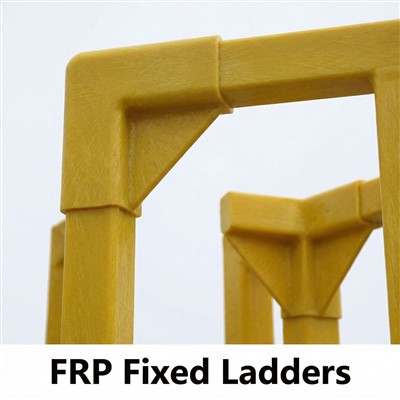
First off, let’s get one thing straight: FRP isn’t a single material—it’s a composite, meaning we mix two or more materials to get properties none of them have alone. For standard profiles (think angles, channels, I-beams, and flat bars that fit standard construction specs), the core mix revolves around two main players: a polymer resin and fiber reinforcement. That’s the base, but we’ve got additives too—stuff that makes the final product work for things like wet areas, heavy loads, or even outdoor sun. Let’s start with the big one: resin.
We don’t just grab any old resin off the shelf for our standard profiles. 9 times out of 10, we use thermoset polyester resin. Wait, thermoset just means once it cures (hardens), it can’t be melted back down—perfect for heavy-use parts that don’t need to be reshaped. Why polyester? It’s affordable, mixes well with fibers, and gives our profiles that good strength-to-weight ratio people rave about. But not all polyester is the same. We split our resin into two main grades for standard profiles: general-purpose and corrosion-resistant.
General-purpose polyester is for indoor or dry outdoor applications—like shelf supports in a warehouse, or framing for a small covered patio. It’s cheap, cures fast, and gives us a consistent profile that’s easy to cut and drill. But if you’re putting profiles somewhere wet, or around chemicals? We switch to isophthalic polyester resin. This stuff is the workhorse for pool deck framing, food processing plant walls, or parts near a chemical storage shed. It’s way more resistant to water absorption and chemical spills than general-purpose polyester—we tested a batch last year in a bleach solution for 6 months, and it didn’t crack or fade at all. Yeah, it’s a tiny bit more expensive, but our clients say it’s worth it because they don’t have to replace parts every few years. Rarely, for super extreme stuff like saltwater docks, we use vinyl ester resin—way stronger against salt corrosion, though we only go to that for niche orders because it’s pricier.
Next up: the fiber reinforcement. This is what gives the profile its strength—without it, resin is just sticky plastic that would bend like a popsicle stick. For 99% of our standard profiles, we use chopped glass fiber. Wait, why chopped? Because when we mix it into the resin, it spreads evenly, so the strength is consistent all along the profile. If we used continuous fiber, it’d be stiffer but way harder to shape into standard angles or channels, and more expensive. How much fiber do we add? Typically 25-35% by weight. Too little, and the profile is flimsy; too much, and the resin can’t stick to the fibers, so it breaks easily. We tested this early on—once we tried 40% fiber, and our clients complained the edges chipped when they cut them with a saw. Now we stick to that sweet spot of 30% or so, and it works every time.
We also make a small number of profiles with carbon fiber reinforcement for super lightweight, high-strength orders, but that’s only for special projects—most standard profiles stick to glass. It’s cheaper, easier to work with, and has more than enough strength for the majority of jobs our clients take on.
Now, let’s talk about the secret stuff: additives. These are the ingredients that make our profiles last, not just sit there. First up, UV stabilizers. If you leave FRP out in the sun without these, it fades, becomes brittle, and cracks within a year. We add UV inhibitors to every single standard profile we make—they soak up the sun’s harsh rays and stop the resin from breaking down. I’ve had a client in Florida install our flat bars 7 years ago, and they still look like new. That’s the UV stabilizers doing their job.
Then there’s flame retardants. A lot of our clients are in construction, schools, or hospitals where fire safety is non-negotiable. We add halogen-free flame retardants to our profiles that meet NFPA 701 standards—meaning if there’s a fire, our profiles won’t spread flames or release toxic fumes. No smelly, harmful smoke, which is a big deal for indoor spaces like office hallways or school gyms.
We also add pigments—wait, you’ve seen FRP profiles that are gray, white, even blue, right? That’s us adding color pigments to the resin mix. We use UV-stable pigments too, so the color doesn’t fade after years in the sun. No more painting profiles every 2 years—our clients love that because it cuts down on maintenance. And if a client needs a custom color? We can do that too, just give us the code, and we mix it in.
Wait, hold on—what about fillers? Do we add those? Sometimes, but only small amounts. Fillers like calcium carbonate or clay help cut down on cost a tiny bit, but we never add more than 5% because too much makes the profile weaker. We only use fillers for the least demanding profiles, like internal shelf supports where nobody’s putting heavy loads, and we make sure to note that for our clients so they know what they’re getting.
Let me walk you through how these raw materials actually become a standard profile, because that makes it easier to see why each material matters. First, we mix the resin with the hardener, catalyst, additives (UV stuff, flame retardants, pigments) in a big mixer. Then we add the chopped glass fiber, stir it all together until it’s a uniform, gloopy mix. Next, we feed that mix into a profile extrusion machine—this is basically a long metal mold shaped like an angle, channel, or I-beam. The mix gets pushed through the mold, and as it moves, it cures (hardens) with heat and time. Once it comes out the other end, it’s a solid, consistent profile—exactly the dimensions we specified, every time. Then we cut it to the length the client ordered, sand the edges, and that’s it. No fancy tricks, just good material and consistent processes.
I get it, some people think “FRP is just plastic with glass in it,” but after 8 years, I’ve seen what bad raw materials do. Last year, a new supplier sent us a batch of profiles with cheap resin and too little fiber—they bent under a 50lb load that our standard profiles hold easy. We had to replace them for free, which taught me a lesson: the raw materials aren’t something you skimp on. Every batch we get is tested in our small in-house lab—we bend a sample to make sure it doesn’t break, dip it in water for a week to check absorption, leave it under a UV lamp for 1000 hours to see if it fades. If it doesn’t pass, we send it back. That’s why our clients come back—they know our profiles are made with good stuff.
Wait, let’s answer a common question I get: can these raw materials be customized? Absolutely. If you need a profile that’s extra tough for outdoor use, we can swap in a vinyl ester resin. If you need it conductive for an industrial site with static electricity, we add conductive carbon black additives. If you need it food-safe (like for a commercial kitchen), we use food-grade polyester resin that meets FDA standards. It’s not one-size-fits-all, which is why we work with each client to match their raw materials to their exact needs.
Another thing: sustainability, which a lot of clients ask about these days. A while back, we started switching to bio-based resin additives made from soybean oil, so we’re using less petroleum-based stuff. We also recycle the excess resin mix from our extrusion process—we grind it up and reuse it in non-structural parts, so we’re not wasting as much. The profiles themselves are recyclable too, though it’s not as easy as metal right now, but we’re working on that with our resin suppliers. We know that matters to a lot of our clients, so that’s part of what we do with our raw material choices now.
Let me wrap this up. The raw materials for our standard FRP profiles are solid: thermoset polyester (or vinyl ester for extreme jobs), chopped glass fiber, and a mix of additives that make them strong, durable, safe, and colored. We test every batch, we don’t cut corners on materials, and we customize when clients need something specific.
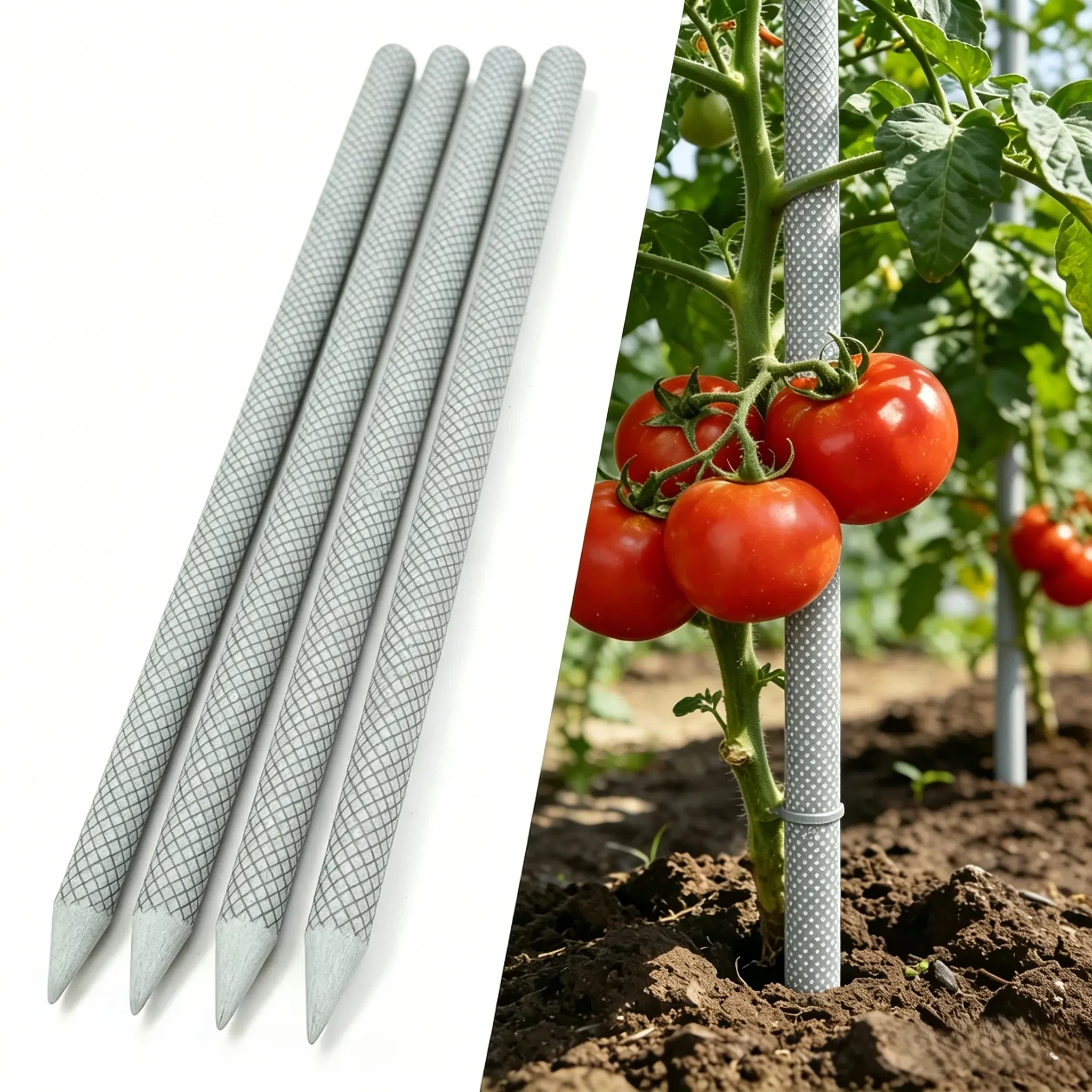
If you’re working on a project right now and need FRP standard profiles—whether it’s angles for a dock, channels for a warehouse, or something custom—hit us up to chat through your needs. We can walk you through which raw material mix works best for your application, answer any questions you have, and get you a quote fast. No hard sells, just real advice from someone who’s been in the FRP game for years.
Fiberglass Handrail and Fencing References
- American Composites Manufacturers Association. (2022). FRP Composite Materials: Types and Applications.
- Composites World. (2021). Raw Material Selection for Structural FRP Profiles.
- National Fire Protection Association. (2020). NFPA 701 Standard Methods of Fire Tests for Flame Propagation of Textiles and Films.
Yizheng Wanteng Composites Co., Ltd.
As one of the most professional FRP standard profile manufacturers and suppliers in China, we’re featured by quality products and good service. Please rest assured to wholesale bulk slip-resistant FRP standard profile for sale here from our factory. Contact us for pricelist.
Address: No. 20 Longyi Road, Qingshan Town Industrial Park, Yizheng City, Jiangsu Province, China
E-mail: mark@wantfrp.com
WebSite: https://www.wantfrp.com/
